
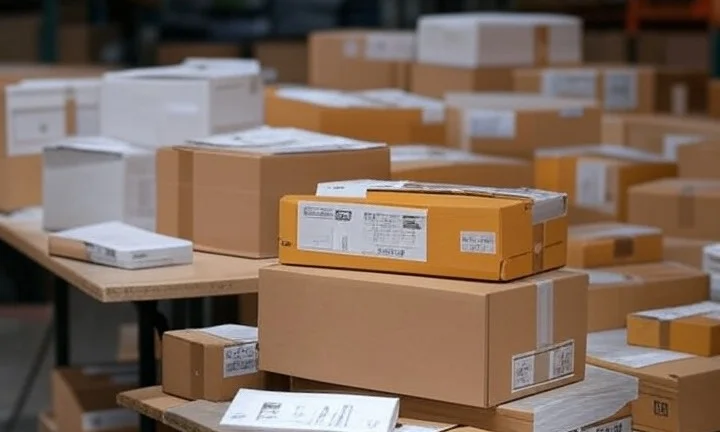
In the early days of 2026, the logistics sector finds itself at a precarious crossroads, grappling with a confluence of disruptions that threaten to upend global supply chains. From surging labor shortages to technological glitches and geopolitical tensions, companies are navigating an environment marked by unprecedented volatility. Recent reports highlight how these pressures are manifesting in everyday delays, particularly in mail delivery, where packages vanish into bureaucratic black holes or arrive weeks late. This isn’t just an inconvenience; it’s a symptom of deeper systemic failures that could reshape how goods move across the world.
Take the United States Postal Service (USPS), for instance, which has become a poster child for these woes. Under its “Delivering for America” initiative, the agency has consolidated processing centers, aiming to cut costs but often resulting in longer transit times. Mail that once received same-day postmarks now lingers, raising alarms for time-sensitive items like ballots, tax documents, and legal filings. Industry observers note that this shift has amplified existing problems, with rural areas bearing the brunt as shipments detour through distant regional hubs.
Beyond the USPS, private carriers like UPS and FedEx are contending with similar hurdles. Rising fuel costs, coupled with a spike in e-commerce demand, have strained capacity, leading to backlogs that echo the chaos of the pandemic era. Executives in the field describe a scenario where predictive algorithms fail to account for real-world variables, such as weather disruptions or sudden trade barriers, leaving shipments stranded in warehouses or on docks.
Escalating Costs and Capacity Crunches
The financial toll is staggering. According to a report from East Coast Warehouse & Distribution Corp. , shippers faced escalating expenses in 2025 that are carrying over into this year, including compliance with new environmental regulations and theft prevention measures. These costs are not abstract; they translate directly into higher prices for consumers and tighter margins for businesses. In the mail delivery segment, this means fewer routes and reduced service frequencies, exacerbating delays in underserved regions.
Labor issues compound the problem. A wave of layoffs and bankruptcies has hit the U.S. logistics and manufacturing sectors hard at the start of 2026, as detailed in a recent analysis by FreightWaves . Over 2,200 workers have been affected, with closures spanning rail services, last-mile delivery, and e-commerce fulfillment. This downsizing comes amid muted demand, creating a vicious cycle where reduced staffing leads to slower processing, which in turn frustrates customers and dampens future orders.
Geopolitical factors add another layer of complexity. Trade routes disrupted by conflicts or tariffs force rerouting, inflating transit times and costs. For mail services, this means international parcels caught in customs limbo, a issue highlighted in posts on X where users vent about packages stuck for weeks. Rural residents, in particular, report shipments taking several weeks to arrive, with evening pickups eliminated and mail piling up at distant centers.
Technological Promises and Pitfalls
Technology was supposed to be the savior, yet its implementation has been uneven. Innovations like AI-driven routing and IoT tracking, as explored in a piece from TechTimes , promise to eliminate the “logistics black hole” where items disappear without a trace. In 2026, 5G networks and connected systems are enabling real-time visibility, but adoption lags in many areas, especially for traditional mail carriers burdened by legacy infrastructure.
However, these advancements come with their own challenges. Cyber threats loom large, with ransomware attacks disrupting digital operations in critical sectors. The push for sustainability further complicates matters; electric vehicle fleets for delivery require massive investments in charging infrastructure, which many companies are ill-equipped to handle. A blog post from SeaRates notes that post-holiday returns in January 2026 are overwhelming systems already strained by seasonal peaks, leading to persistent delays well into the new year.
Insiders point to a mismatch between hype and reality. While startups tout drone deliveries and autonomous trucks, regulatory hurdles and high failure rates mean these solutions remain niche. For mail delivery, this translates to reliance on outdated sorting machines that can’t keep pace with volume, resulting in errors like misrouted letters or lost packages—a frustration echoed in social media complaints about stalled tracking updates.
Sustainability Pressures and Regulatory Shifts
Environmental mandates are reshaping operations, forcing logistics firms to balance efficiency with eco-friendly practices. The drive toward net-zero emissions, as discussed in insights from nShift , includes trends like optimized routing to reduce fuel use, but these require data analytics that not all players possess. In Europe, stricter carbon reporting rules are pushing companies to rethink their fleets, while in the U.S., similar pressures mount amid public scrutiny.
Mail services face unique sustainability dilemmas. The USPS’s consolidation plan aims to cut transportation emissions by centralizing operations, but critics argue it increases overall mileage as mail travels farther to reach hubs. This paradox is evident in reports of delayed postmarks, where letters mailed in the morning don’t get processed until the next day, invalidating deadlines for official documents.
Regulatory changes add to the burden. New safety standards for trucking, prompted by incidents of overloaded vehicles, are slowing down freight movement. X posts from industry watchers highlight how these rules, intended to prevent accidents, inadvertently contribute to backups at ports and warehouses, affecting everything from express mail to bulk shipments.
Customer Experience in the Crosshairs
At the heart of these challenges is the erosion of customer trust. Businesses reliant on timely deliveries are seeing churn as clients switch to more reliable providers, a trend outlined in a blog by CustomerGauge . For B2B operations, this means leveraging customer data to predict and mitigate issues, but many lack the tools to do so effectively.
Consumers, meanwhile, are vocal about their dissatisfaction. Anecdotes on X describe packages marked “out for delivery” that never arrive, or mail vanishing without explanation. One user lamented the shift away from local carriers to freight haulers, blaming cost-cutting measures for the chaos. This sentiment is widespread, with e-commerce sellers reporting unprecedented rates of lost items, forcing refunds and damaging reputations.
To combat this, some companies are investing in enhanced tracking and communication. Proactive notifications about delays can soften the blow, but when systems fail, the fallout is swift. In the mail sector, the USPS’s changes have sparked debates about privatization or federal bailouts, as delays risk undermining essential services like prescription deliveries and bill payments.
Global Ripple Effects and Adaptation Strategies
The issues extend beyond borders, with international logistics feeling the strain from overcapacity in shipping lanes. A report from More Than Shipping details how excess fleet growth amid tepid demand is driving down rates but increasing congestion at key ports. For mail, this means slower ocean transits for overseas packages, compounding domestic bottlenecks.
Adaptation is key for survival. Firms are exploring diversified supply chains, nearshoring production to reduce dependency on distant suppliers. In a forward-looking piece by Transcorp International , the emphasis is on building resilient systems that adapt to disruptions, shifting logistics from a background function to a strategic imperative.
For mail delivery, potential solutions include hybrid models blending public and private services, or tech integrations like blockchain for tamper-proof tracking. Yet, as one X post from a rural resident illustrates, without addressing core issues like staffing and infrastructure, these fixes may fall short, leaving many asking, “Where’s my mail?”
Industry Shifts and Future Trajectories
Carriers are heeding warnings about pivotal changes, as outlined in Global Trade Magazine ‘s 2026 playbook. Tighter margins demand innovation, from AI optimization to collaborative networks that share capacity during peaks. In the U.S., cross-border freight faces uncertainty, with evolving trade policies adding layers of complexity.
Mail-specific reforms are under scrutiny. The Brookings Institution, via its economic analysis , warns of risks to elections and legal processes from delayed postmarks, urging policy tweaks. Similarly, CBS News reported on the USPS’s admission that same-day postmarks may become rare, a cost-saving move with broad implications.
Looking ahead, the sector’s ability to integrate lessons from recent turmoil will determine its fate. Investments in workforce training and digital tools could alleviate bottlenecks, but without coordinated action, the unraveling may continue, affecting economies worldwide.
Voices from the Front Lines
Frontline workers and small business owners provide poignant insights. X users, including e-commerce entrepreneurs, describe a “disaster” in fulfillment, with 40% of packages missing or late. Truckers point to regulatory oversights allowing unsafe operations, further clogging delivery pipelines.
In response, some advocate for grassroots solutions, like community pickup points in rural areas to bypass centralization woes. Others call for transparency from carriers, demanding better data on delay causes.
Ultimately, the logistics sector’s challenges in 2026 underscore a need for holistic reform. By addressing cost, tech, and human elements, there’s hope for a more robust framework that ensures mail and goods arrive not just on time, but at all.
Pathways to Resilience
Emerging trends offer glimmers of progress. Parcel and Postal Technology International’s opinion piece on key trends emphasizes automation and data-driven decisions to counter fragility exposed by past disruptions.
For mail, integrating with e-commerce platforms could streamline last-mile delivery, reducing losses. DHL’s exploration of practical solutions suggests closing digital gaps through cloud-based systems.
As the year unfolds, stakeholders must prioritize agility, turning today’s crises into tomorrow’s efficiencies. The alternative—a world where “dude, where’s my mail?” becomes the norm—is too costly to contemplate.


Leave a Reply
Your email address will not be published.