

Community First Banking Company has appointed Jon Hanshaw as its Information Security Officer, a strategic move that underscores the escalating importance of cybersecurity infrastructure within regional financial institutions. President and CEO Mark Sloan announced the appointment, signaling the Missouri-based bank’s commitment to fortifying its digital defenses at a time when community banks face unprecedented cyber threats. According to Ozark Radio News , this leadership addition reflects a broader industry trend toward specialized security expertise at the executive level.
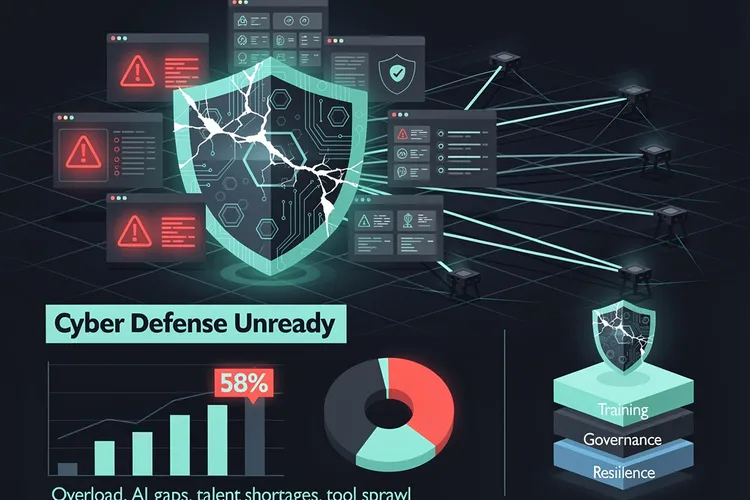
The appointment comes as financial institutions nationwide grapple with a surge in sophisticated cyberattacks targeting banking infrastructure. The American Bankers Association reported that phishing attempts against banks increased by 58% in 2023, with community banks particularly vulnerable due to resource constraints compared to their larger counterparts. Hanshaw’s role will encompass developing comprehensive security protocols, managing risk assessment frameworks, and ensuring compliance with evolving federal regulations governing financial data protection.
The Evolving Role of Information Security Officers in Regional Banking
Information Security Officers have become indispensable figures within the banking sector’s organizational hierarchy, transforming from technical specialists into strategic business leaders. These executives now report directly to CEOs and boards of directors, wielding influence over technology investments, vendor relationships, and institutional risk tolerance. The position requires a unique blend of technical expertise, regulatory knowledge, and business acumen—qualities that distinguish effective security leadership in an era where a single breach can devastate a community bank’s reputation and financial stability.
Community First Banking Company’s decision to formalize this leadership position aligns with guidance from federal banking regulators who have intensified scrutiny of cybersecurity practices. The Federal Financial Institutions Examination Council has issued multiple advisories emphasizing the need for dedicated security leadership, particularly as banks accelerate digital transformation initiatives. The Office of the Comptroller of the Currency has made clear that cybersecurity preparedness is not optional but a fundamental component of safe and sound banking operations.
Community Banks Face Disproportionate Cybersecurity Challenges
Regional institutions like Community First Banking Company operate in a uniquely challenging environment where cyber threats have become more democratized and accessible to criminal organizations. Unlike multinational banks with billion-dollar security budgets and dedicated threat intelligence teams, community banks must maximize limited resources while protecting increasingly complex digital ecosystems. The shift toward online and mobile banking has exponentially expanded the attack surface that security officers must defend, creating vulnerabilities that sophisticated threat actors actively exploit.
Recent industry data reveals the stark reality facing community banks: the average cost of a data breach for financial institutions under $5 billion in assets exceeds $2.3 million, according to IBM’s Cost of a Data Breach Report. These figures don’t account for reputational damage, customer attrition, or regulatory penalties that can follow security incidents. For community banks operating on thin margins, a single significant breach can threaten institutional viability, making the Information Security Officer role mission-critical rather than merely administrative.
Regulatory Pressures Driving Security Leadership Investments
Federal and state banking regulators have systematically elevated cybersecurity expectations through examination procedures, enforcement actions, and formal guidance documents. The Gramm-Leach-Bliley Act’s Safeguards Rule, recently amended by the Federal Trade Commission, now mandates that financial institutions designate a qualified individual to oversee information security programs. This regulatory evolution has transformed the Information Security Officer from an optional position into a compliance necessity, particularly for institutions pursuing growth or contemplating mergers.
State-level regulations have added additional complexity to the compliance matrix that security officers must navigate. Multiple states have enacted data breach notification laws with varying timelines and requirements, while others have implemented specific cybersecurity frameworks modeled after the New York Department of Financial Services regulations. Hanshaw’s responsibilities at Community First will necessarily include maintaining awareness of this fragmented regulatory environment and ensuring the bank’s security program satisfies the most stringent applicable standards.
Technology Modernization and Third-Party Risk Management
Contemporary banking security extends far beyond protecting internal networks and systems. Community banks increasingly rely on third-party vendors for core banking platforms, payment processing, customer relationship management, and cloud computing services. Each vendor relationship introduces potential vulnerabilities that Information Security Officers must assess, monitor, and mitigate through comprehensive third-party risk management programs. The interconnected nature of modern banking means that a security failure at a service provider can cascade across multiple institutions simultaneously.
The rapid adoption of financial technology partnerships has accelerated this challenge. Community banks seeking to compete with digital-native competitors have embraced fintech collaborations that enable advanced capabilities but also create new security considerations. Information Security Officers must evaluate whether vendor security controls meet institutional risk tolerance levels, ensure contractual agreements include appropriate security provisions, and maintain ongoing oversight of vendor performance. This requires technical expertise combined with vendor management and contract negotiation skills.
Workforce Development and Security Culture Building
Effective information security programs depend on more than technology and policies—they require cultivating a security-conscious culture throughout the organization. Hanshaw’s success at Community First will partly depend on his ability to transform security awareness from a compliance checkbox into an embedded institutional value. This involves developing training programs that resonate with employees at all levels, from tellers handling customer data to executives making strategic technology decisions.
The human element remains the most significant vulnerability in banking security architectures. Social engineering attacks exploiting employee trust continue to circumvent even sophisticated technical controls. Security officers must therefore prioritize ongoing education initiatives that help staff recognize phishing attempts, understand data handling protocols, and report suspicious activities. Building this culture requires patience, persistence, and executive support—qualities that distinguish effective security leadership from mere technical administration.
Strategic Implications for Community First’s Competitive Position
Community First Banking Company’s investment in dedicated security leadership signals to customers, regulators, and potential partners that the institution takes data protection seriously. In an era where consumers increasingly consider cybersecurity capabilities when selecting financial services providers, robust security programs have become competitive differentiators. The appointment may also facilitate business development opportunities with commercial clients who conduct vendor security assessments before establishing banking relationships.
From a strategic perspective, strong security foundations enable rather than constrain innovation. Banks with mature security programs can more confidently pursue digital initiatives, expand online service offerings, and integrate emerging technologies like artificial intelligence and machine learning. Hanshaw’s role will involve balancing security requirements against business objectives, ensuring that risk management enhances rather than impedes the bank’s strategic vision. This requires ongoing dialogue with business line leaders and a nuanced understanding of how security decisions impact customer experience and operational efficiency.
The appointment also positions Community First favorably for potential future growth through acquisition or partnership. Due diligence processes for bank mergers now routinely include comprehensive cybersecurity assessments, and institutions with documented security programs led by qualified officers face fewer integration challenges. As consolidation continues reshaping the community banking sector, security preparedness has evolved from a defensive necessity into a strategic asset that influences institutional valuation and attractiveness to potential partners.
Looking Forward: The Future of Banking Security Leadership
The Information Security Officer role will continue evolving as threats become more sophisticated and regulatory expectations expand. Emerging challenges including quantum computing threats to encryption, artificial intelligence-powered attacks, and the security implications of open banking frameworks will require continuous learning and adaptation. Community First’s investment in this leadership position reflects recognition that cybersecurity is not a project with a defined endpoint but an ongoing strategic imperative requiring dedicated executive attention.
As Community First Banking Company moves forward under Hanshaw’s security leadership, the institution joins a growing cohort of community banks recognizing that cybersecurity excellence requires more than compliance—it demands vision, resources, and sustained commitment from the highest levels of organizational leadership. In an industry where trust remains the fundamental currency, protecting customer data and institutional integrity has become inseparable from the core mission of community banking itself.







Leave a Reply
Your email address will not be published.