
Anime streaming giant Crunchyroll has announced another round of subscription price increases, marking the second significant adjustment in less than two years and raising questions about the sustainability of premium pricing models in an increasingly fragmented streaming market. The move comes as the Sony-owned platform continues to consolidate its position as the dominant force in anime distribution outside Japan, but industry observers warn that subscriber patience may be wearing thin.
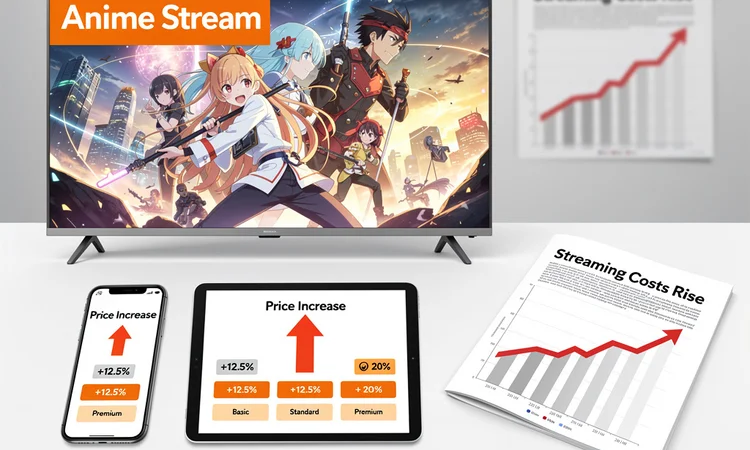
According to CNET , the new pricing structure will see the Fan tier increase from $7.99 to $8.99 per month, while the Mega Fan tier jumps from $9.99 to $11.99 monthly. The Ultimate Fan tier, previously priced at $14.99, will now cost subscribers $16.99 per month. These increases represent a 12.5% to 20% jump depending on the tier, with annual subscription prices rising proportionally across all levels.
The timing of this price adjustment is particularly noteworthy given that Crunchyroll implemented its previous increase in March 2024, when monthly rates rose by approximately $2 across most tiers. For long-time subscribers who remember when Crunchyroll’s premium service cost $6.95 per month just a few years ago, the cumulative effect represents more than a doubling of their subscription costs in a relatively short period.
The Consolidation Effect: From Competition to Monopoly Pricing
The price increases come in the wake of Crunchyroll’s acquisition of rival service Funimation in 2022, a move that effectively eliminated the primary competitor in the English-language anime streaming market. While Sony promised that the merger would benefit consumers through a unified library and improved service, critics argue that the reduction in competition has enabled aggressive pricing strategies that might not have been sustainable in a more competitive environment.
The consolidation has given Crunchyroll unprecedented leverage over anime distribution in Western markets. The platform now boasts over 120 million registered users globally, with millions of paying subscribers who have limited alternatives if they want legal access to the latest anime series with professional subtitles and dubbing. This market position has allowed the company to implement price increases that might have driven subscribers to competitors in previous years.
What Subscribers Receive for Premium Prices
Crunchyroll’s tiered subscription model offers varying levels of access and features. The Fan tier provides ad-free streaming access to the entire anime library, offline viewing capabilities, and the ability to stream on one device at a time. The Mega Fan tier expands this to streaming on up to four devices simultaneously and adds access to new episodes one hour after they air in Japan, a feature that appeals to hardcore fans who want to stay current with ongoing series.
The Ultimate Fan tier includes all Mega Fan benefits plus access to the Crunchyroll Store with member discounts, exclusive merchandise opportunities, and priority support. However, many subscribers question whether these additional features justify the premium pricing, particularly when the core value proposition—access to anime content—remains largely the same across all paid tiers.
Industry Context: Streaming Services Face Profitability Pressure
Crunchyroll’s price increases mirror broader trends across the streaming industry, where companies are abandoning growth-at-all-costs strategies in favor of profitability. Major platforms including Netflix, Disney+, and Max have all implemented significant price increases over the past two years as they face pressure from investors to demonstrate sustainable business models rather than simply accumulating subscribers.
The anime streaming market presents unique challenges and opportunities compared to general entertainment streaming. Licensing costs for anime content have skyrocketed as competition for popular titles has intensified, with production committees in Japan increasingly demanding higher fees from international distributors. Additionally, the cost of producing high-quality English dubbing has increased substantially, as voice actor unions have negotiated better rates and working conditions.
The Simulcast Premium: Paying for Immediacy
One of Crunchyroll’s most valuable features is its simulcast capability, offering new episodes of ongoing anime series within hours of their Japanese broadcast. This feature has become a cornerstone of the platform’s value proposition, allowing international fans to participate in real-time discussions and avoid spoilers that proliferate on social media. However, maintaining these simultaneous releases requires significant infrastructure investment and complex licensing arrangements.
The simulcast model also necessitates rapid subtitle production, with translation teams working under tight deadlines to deliver accurate, culturally appropriate subtitles for diverse audiences. For popular series, Crunchyroll produces subtitles in multiple languages simultaneously, a logistical and financial undertaking that dwarfs the requirements of traditional streaming services that can release content on their own schedules.
Subscriber Backlash and Alternative Options
Social media reactions to the price increases have been overwhelmingly negative, with many subscribers expressing frustration on platforms like Twitter and Reddit. Some users have pointed out that Crunchyroll’s video player and app experience still lag behind competitors despite previous price increases that were supposedly earmarked for technical improvements. Complaints about buffering issues, subtitle synchronization problems, and a clunky user interface have persisted even as prices have climbed.
The price increases may push some subscribers toward alternative options, though these alternatives come with significant drawbacks. Piracy remains a persistent issue in the anime community, with illegal streaming sites offering free access to the same content available on Crunchyroll. While industry groups have made progress in shutting down major piracy operations, new sites continue to emerge, and price-sensitive consumers may view piracy as an increasingly attractive option as legal streaming becomes more expensive.
The Netflix Factor: Competition from General Streaming Giants
Crunchyroll also faces growing competition from general entertainment streaming services that have recognized anime’s popularity and profitability. Netflix has invested heavily in anime production and licensing, creating original series and securing exclusive rights to popular titles. While Netflix’s anime library remains smaller than Crunchyroll’s, its competitive pricing and broader content offering may appeal to casual anime fans who also want access to live-action programming.
Disney+ has similarly expanded its anime offerings, particularly through its international markets, while Amazon Prime Video has secured exclusive rights to several high-profile anime series. These platforms can often afford to offer anime as a loss leader or value-add to their broader content libraries, potentially undercutting Crunchyroll’s specialized positioning even if their dedicated anime selections remain more limited.
The Value Calculation: Is Premium Anime Worth Premium Pricing?
For dedicated anime fans who watch multiple series weekly and value legal, high-quality streams with professional subtitles and dubbing, Crunchyroll’s pricing may still represent reasonable value despite the increases. The platform’s extensive back catalog includes thousands of episodes spanning decades of anime history, from classic series to current seasonal offerings. For viewers who consume even a few hours of content weekly, the per-hour entertainment cost remains competitive with other leisure activities.
However, casual viewers who primarily watch one or two popular series per season may find it harder to justify the monthly expense, particularly at the higher tiers. These subscribers might consider rotating their subscriptions, signing up only during seasons when shows they want to watch are airing, or dropping down to lower tiers that still provide access to content with minor convenience trade-offs.
The Broader Implications for Niche Streaming Services
Crunchyroll’s pricing strategy offers a case study in how specialized streaming services navigate the tension between serving passionate niche audiences and achieving mainstream profitability. The platform’s ability to sustain price increases despite subscriber complaints suggests that dedicated fan communities may tolerate higher prices than general audiences, particularly when alternatives are limited or inferior.
This dynamic has implications for other niche streaming services in areas like horror, classic cinema, or international content. These platforms may follow Crunchyroll’s example in implementing aggressive pricing strategies, betting that passionate fans will pay premium prices for specialized content they cannot easily find elsewhere. However, there are limits to this approach, and pushing prices too high risks driving subscribers to piracy or convincing them to abandon the hobby altogether.
Looking Ahead: Sustainability Questions Remain
The long-term sustainability of Crunchyroll’s pricing strategy remains uncertain. While the platform currently enjoys a near-monopoly position in anime streaming for English-speaking markets, this dominance is not guaranteed to persist indefinitely. New competitors could emerge, particularly if Japanese production committees decide to launch their own international streaming platforms or if tech giants like Apple decide to enter the anime market aggressively.
Additionally, there is a limit to how much subscribers will pay before seeking alternatives or reducing their consumption. As the cost of multiple streaming subscriptions continues to climb, consumers are making increasingly difficult choices about which services to maintain. Crunchyroll must demonstrate that its premium pricing delivers commensurate value through technical improvements, exclusive content, and enhanced features that justify the expense. The coming months will reveal whether the platform’s bet on subscriber loyalty and limited competition proves sustainable, or whether it has finally pushed prices beyond what the market will bear.


Leave a Reply
Your email address will not be published.