
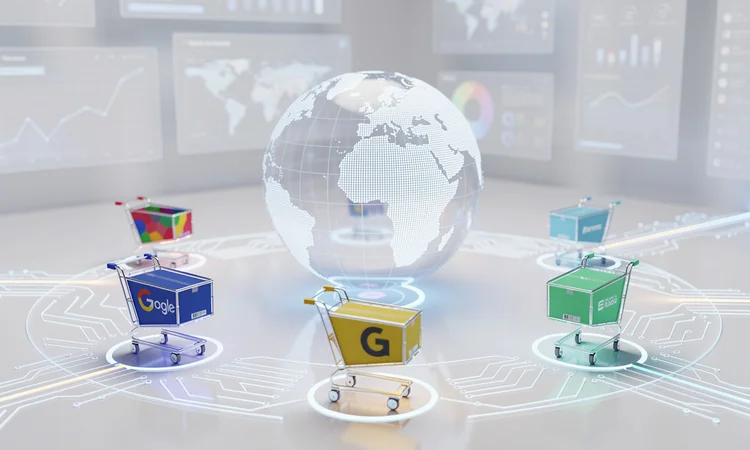
In the fast-evolving world of digital advertising and e-commerce, Google is making significant strides with its Commerce Media Suite, a platform designed to bridge the gap between retailers, brands, and high-intent shoppers. Recent announcements reveal that major retailers like Best Buy and Shipt are now integrating their commerce audiences into Google’s ecosystem, allowing advertisers to tap into rich, first-party data for more targeted campaigns. This move comes at a time when artificial intelligence is reshaping how consumers discover and purchase products, and Google’s tools are positioning the company as a central hub in this transformation.
The Commerce Media Suite, first introduced in 2025, enables brands and retailers to leverage Google’s AI-driven insights across platforms such as Search, YouTube, and Display. According to a post on the Google Marketing Platform Blog , the addition of Best Buy and Shipt means advertisers using Display & Video 360 (DV360) can now access audiences from these retailers, focusing on shoppers who are actively browsing or buying electronics, home goods, and groceries. This integration promises to enhance campaign performance by connecting with users at peak moments of intent, such as when they’re streaming videos or scrolling through social feeds.
For industry insiders, this development underscores Google’s strategy to consolidate its dominance in retail media networks, where advertising spend is projected to surge in the coming years. By partnering with established retailers, Google is not just expanding its data pool but also offering brands a more seamless way to measure return on investment through transparent metrics and AI-optimized bidding.
Expanding the Ecosystem with AI-Powered Tools
The timing of these integrations aligns with broader advancements in Google’s commerce offerings. Just last week, Google unveiled the Universal Commerce Protocol (UCP), an open standard developed in collaboration with partners like Shopify, Etsy, Wayfair, Target, and Walmart. Posts on X highlight how UCP facilitates AI agents to handle every step of the shopping journey, from discovery to checkout, potentially revolutionizing how transactions occur directly within Google’s search and AI interfaces.
TechCrunch reported in a recent article that this protocol allows merchants to offer discounts directly in AI-generated search results, streamlining the path to purchase. As detailed in TechCrunch’s coverage , the initiative is set to enable native checkout features in AI Mode on Search and the Gemini app, making shopping more intuitive and immediate. This is particularly relevant for retailers like Best Buy, which can now push personalized promotions to users researching gadgets without leaving the Google environment.
Moreover, the Commerce Media Suite’s expansion includes tools for brands to grow marketplace sales, as noted in Google’s own announcements from 2025. An article on Google’s Blog explains how the suite helps merchants expand reach on quick commerce platforms, driving incremental sales through targeted media buys. With Best Buy and Shipt on board, this creates a more robust network where data from in-store and online behaviors informs ad strategies.
Strategic Partnerships Driving Growth
Industry experts are buzzing about the implications. According to a piece in Marketing Brew , 2026 could see a “battle for the soul of retail media” as AI agents become central to consumer interactions. Brands are seeking simpler buying processes, and Google’s integrations provide just that by unifying audiences across diverse retail environments.
For Best Buy, this partnership means sharing insights from its vast customer base, including those engaging with its tech products and services. Shipt, known for same-day delivery, adds a layer of immediacy, appealing to shoppers who value speed. Posts on X from users like Google Marketing Platform confirm that these audiences are now activatable in DV360, enabling advertisers to reach high-intent users as they engage with content online.
This isn’t Google’s first foray into deepening retailer ties. Historical collaborations, such as those with Shopify for YouTube integrations back in 2022, as mentioned in various X discussions, laid the groundwork. Today, with UCP, Google is building on that foundation to create a more interconnected commerce framework.
The Role of AI in Agentic Commerce
Diving deeper, Google’s push into agentic commerce—where AI agents act on behalf of users to find, negotiate, and complete purchases—is a game-changer. A blog post on Google’s Products Blog outlines new tools and an open standard that help retailers connect with shoppers in this era. Features like Business Agents and Direct Offers allow for personalized discounts and chatbot interactions, enhancing customer engagement.
CX Network’s article on Google’s agentic commerce suite emphasizes how these advancements merge shopping and service into a unified experience. For new joiners like Best Buy, this means their products can appear in AI-driven recommendations, potentially boosting visibility and sales without traditional ad spends.
Furthermore, Google’s Gemini Enterprise, as covered in CMSWire , empowers retail IT with unified customer experience tools. This integration of AI across touchpoints ensures that data from Commerce Media Suite feeds into broader strategies, helping retailers like Shipt optimize delivery logistics based on real-time shopper intent.
Challenges and Opportunities Ahead
While the expansions are promising, challenges remain. Privacy concerns and data sharing regulations could complicate how audiences are utilized. Industry insiders note that as more retailers join, ensuring transparency in data usage will be crucial to maintain trust. Google’s emphasis on control and essential transparency, as highlighted in its 2025 blog posts, aims to address these issues head-on.
Opportunities abound for brands. With access to Best Buy’s electronics enthusiasts and Shipt’s grocery shoppers, advertisers can craft hyper-targeted campaigns. An X post from Deep Learning Weekly underscores how UCP enables AI-powered checkouts, suggesting a future where Google becomes a full-stack marketplace player.
Comparisons to competitors like Amazon’s retail media network are inevitable. Google’s advantage lies in its search dominance and AI prowess, allowing it to capture intent earlier in the buying cycle. As per Search Engine Land , the suite’s AI tools across platforms give brands expanded reach, setting the stage for competitive differentiation.
Innovations Shaping Future Retail
Looking ahead, Google’s roadmap includes further integrations. The Times of India reported on the suite’s launch in markets like India, focusing on quick commerce, which could inspire similar rollouts globally. With The Times of India’s article , it’s clear that boosting sales on fast-delivery platforms is a priority, and new retailers like Shipt fit perfectly into this model.
X sentiment reflects excitement, with users discussing how these updates favor e-commerce sites in search rankings. A post from Sonia_Tam on X points to Google’s core updates favoring commerce, integrated with tools like the Google Store widget and UCP, signaling a comprehensive stack ready for deployment.
For smaller brands, this democratizes access to premium audiences. Wall Street Marketing’s coverage in their 2025 article describes how the suite transforms retailer-brand collaborations through AI-driven performance, a trend accelerating with these new additions.
The Broader Impact on Marketing Strategies
As 2026 unfolds, marketers must adapt. Think with Google’s marketing predictions guide, available at Think with Google , offers insights from leaders on strategizing in this AI-centric environment. It emphasizes simplicity in buying and the role of AI in retail media, aligning with Google’s expansions.
Camphouse’s recent piece on Google’s agentic commerce tools details how AI agents assist in product discovery and purchases within Search, a boon for integrated retailers. This could shift budgets from traditional channels to Google’s platforms, where measurable outcomes are more attainable.
Ultimately, the joining of Best Buy and Shipt to the Commerce Media Suite exemplifies Google’s vision for a connected, AI-enhanced commerce future. By fostering these partnerships, Google is not only enriching its data ecosystem but also empowering retailers and brands to thrive in an increasingly digital marketplace. As more players potentially follow suit, the dynamics of online retail and advertising will continue to evolve, driven by innovation and strategic collaborations.


Leave a Reply
Your email address will not be published.