
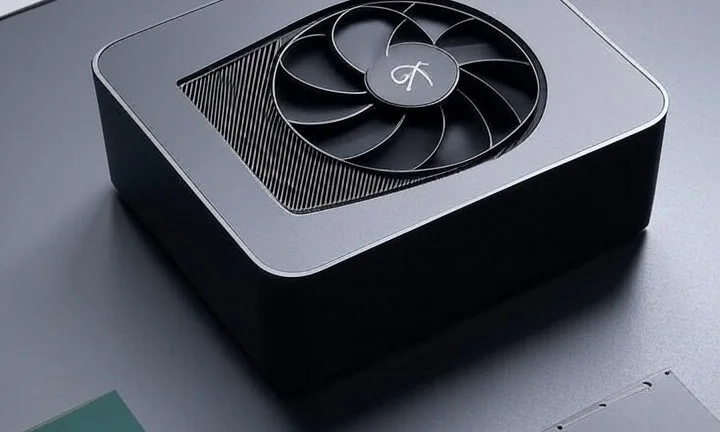
In the high-stakes world of semiconductor manufacturing, Nvidia Corp. finds itself at a pivotal crossroads as rumors swirl about significant production cuts to its consumer graphics processing units (GPUs). Recent reports indicate that the company may slash output of its GeForce RTX 50 series by as much as 20% in the coming months, driven by escalating memory shortages and a strategic pivot toward more lucrative artificial intelligence (AI) applications. This development comes amid a broader crisis in dynamic random-access memory (DRAM) supply, which has already sent shockwaves through the tech sector. Industry insiders are bracing for what could be a prolonged period of scarcity for gaming enthusiasts and PC builders alike.
The catalyst for these cuts appears rooted in a confluence of factors, including skyrocketing costs for video random-access memory (VRAM) and a global push to prioritize AI hardware. According to sources familiar with Nvidia’s supply chain, the company is contending with memory prices that have tripled in some cases, making high-end consumer GPUs less economically viable. This isn’t merely a hiccup; it’s a symptom of deeper supply chain strains exacerbated by booming demand from data centers and AI training facilities. Nvidia, which dominates the GPU market with over 80% share in AI accelerators, seems poised to redirect resources away from gaming to sustain its profitability in enterprise sectors.
Compounding the issue is the absence of new GPU launches on the horizon. Leaks suggest that Nvidia’s next-generation RTX 60 series might not materialize until the second half of 2027, leaving a gaping void in product refreshes for 2026. This delay could force consumers to rely on existing inventories, potentially driving up prices for models like the RTX 5070 and 5060 Ti, which are rumored to face the earliest restrictions. Analysts point to this as a calculated move by Nvidia to manage costs and maximize margins in a volatile market.
Shifting Priorities in Silicon Valley
The ramifications extend beyond gamers to the broader ecosystem of PC hardware. Retailers and system integrators are already reporting tighter allocations, with some add-in-card (AIC) partners receiving 15% to 20% less supply than anticipated. This reduction, while not as drastic as the 40% cuts speculated in late 2025, still poses challenges for maintaining market equilibrium. Nvidia’s decision to bundle GPUs with memory modules offers some relief, ensuring that available units remain functional, but it doesn’t address the underlying shortfall.
Drawing from industry commentary, the memory crisis stems from major suppliers like Micron Technology Inc. redirecting production toward high-margin AI components. As one executive noted, the profitability gap between consumer and enterprise markets has widened dramatically, prompting manufacturers to favor data center demands. This shift has left consumer segments underserved, with ripple effects felt in everything from laptop GPUs to prebuilt gaming rigs. For Nvidia, absorbing some memory costs “for now” as reported by Wccftech , provides temporary protection for gamers but hints at impending price hikes.
Moreover, the situation underscores Nvidia’s evolving business model. Once primarily a gaming hardware titan, the company now derives the bulk of its revenue from AI and data center products. In fiscal 2025, AI-related sales accounted for nearly 90% of profits, dwarfing the consumer graphics segment. This pivot, while financially astute, risks alienating the core gaming community that propelled Nvidia to prominence. Insiders speculate that without intervention, such as increased production from competitors, the market could see a resurgence of older models like the RTX 40 series at inflated prices.
Market Sentiments and Speculative Buzz
Social media platforms, particularly X (formerly Twitter), are abuzz with reactions to these developments. Posts from tech enthusiasts and analysts reflect a mix of frustration and resignation, with many lamenting the potential end of affordable high-end gaming. One prominent thread highlighted how Nvidia’s cuts could create opportunities for rivals like AMD, yet skepticism abounds given AMD’s own pricing strategies. These online discussions, while not always factual, capture the prevailing anxiety among consumers facing another round of supply disruptions reminiscent of the 2021 crypto mining boom.
Turning to expert analyses, publications have delved into the potential for a full-blown GPU crisis. For instance, TechRadar explores how the RAM shortage could escalate into widespread GPU unavailability, emphasizing that 2026 might witness no new releases from Nvidia. This aligns with leaks from sources like Moore’s Law Is Dead, who claim that high-end discrete GPUs, including those in laptops, will see restricted supply throughout the year.
Competitive dynamics add another layer of complexity. AMD, Nvidia’s primary rival, is positioned to capitalize on the shortfall but faces similar memory constraints. Reports indicate AMD may continue shipments with markups, potentially gaining market share if it maintains competitive pricing. However, historical patterns suggest AMD often follows Nvidia’s lead on pricing, which could exacerbate shortages rather than alleviate them. Intel’s entry into discrete GPUs offers little immediate relief, as its Arc series remains a niche player.
Historical Parallels and Future Projections
Looking back, the tech industry has weathered similar storms. The 2020-2022 chip shortage, fueled by pandemic disruptions and crypto demand, led to scalping and inflated prices for GPUs. Nvidia navigated that period by ramping up production post-crisis, but the current scenario differs in its focus on memory rather than overall silicon. Unlike past events, this crunch is driven by sustained AI growth, projected to continue as companies like OpenAI and Google expand their computing needs.
Projections for 2026 paint a challenging picture. According to Tom’s Hardware , gamers could encounter “crushing blows” with supply drops affecting models boasting 12GB or more of VRAM. This restriction might extend to integrated solutions in laptops and prebuilts, limiting options for mobile gaming. Economic analysts forecast that Nvidia’s stock, which dipped slightly on these rumors, could rebound if AI revenues offset consumer losses.
On the supply side, efforts to mitigate the crisis include potential expansions in memory fabrication. Yet, lead times for new facilities span years, meaning short-term relief is unlikely. Nvidia’s reported absorption of costs, as detailed in Wccftech’s exclusive, buys time but doesn’t solve the root problem. Industry watchers anticipate that without diversification in memory supply chains, similar issues could plague other sectors, from smartphones to automotive electronics.
Economic Ripples and Consumer Impacts
The economic implications are profound. For consumers, higher prices and limited availability could stifle PC upgrades, pushing some toward consoles or cloud gaming alternatives. Small businesses relying on GPUs for content creation or rendering might face operational hurdles, increasing costs that get passed to clients. In the stock market, Nvidia’s shares have shown resilience, but sustained cuts could invite scrutiny from investors questioning the balance between short-term gains and long-term market health.
From a global perspective, the crisis highlights vulnerabilities in semiconductor supply chains concentrated in Asia. Geopolitical tensions, such as U.S.-China trade restrictions, further complicate matters by limiting access to key materials like glass cloth used in chip production. As Windows Central notes, DRAM shortages will persist, affecting not just Nvidia but the entire ecosystem.
Insiders suggest that Nvidia’s strategy might involve phasing out certain models prematurely. Rumors of the RTX 5070 Ti’s uncertain fate, later clarified as continuing with adjustments, illustrate the fluidity of these plans. This approach allows Nvidia to streamline operations while focusing on high-margin products, but it risks eroding consumer trust.
Strategic Responses and Industry Adaptation
In response, some manufacturers are exploring alternatives like repurposing older inventory or optimizing designs with less memory-intensive architectures. AMD’s potential to flood the market with competitively priced options could provide a counterbalance, though its own supply issues temper optimism. Collaborative efforts, such as industry consortia pushing for increased memory production, might emerge as a longer-term solution.
For Nvidia, the path forward involves delicate balancing. Maintaining dominance in AI while supporting gaming requires innovative supply management and perhaps lobbying for policy changes to boost domestic manufacturing. As TweakTown reports, the 20% cut is already in effect, signaling a proactive stance amid the memory crunch.
Ultimately, the unfolding situation demands vigilance from all stakeholders. Gamers may need to act swiftly on current deals, while enterprises could accelerate AI deployments to secure allocations. The tech sector’s ability to adapt will determine whether this becomes a temporary setback or a defining shift in hardware availability.
Navigating Uncertainty in Tech’s Core
Delving deeper, the crisis reveals systemic issues in resource allocation. With AI’s insatiable appetite for compute power, consumer markets are increasingly sidelined. Publications like BGR outline worrying trends, including higher prices and stock shortages, that could define 2026.
Consumer sentiment, echoed in X posts, underscores fears of PC gaming’s decline. Phrases like “it’s over” capture the dread, yet historical resilience suggests adaptation is possible. Innovations in software, such as upscaling technologies, might mitigate hardware shortages by extending the life of existing GPUs.
As the year progresses, monitoring supply chain updates will be crucial. Nvidia’s next earnings call could provide clarity, potentially addressing these cuts head-on. For now, the industry holds its breath, awaiting whether this storm will pass or reshape the GPU market for years to come.


Leave a Reply
Your email address will not be published.