Sophos Workspace Protection: Browser-First Shield for Hybrid Work and AI Risks

Aria Brooks
Aria Brooks

Sophos Workspace Protection reimagines hybrid security via a browser-centric model, governing AI use and slashing SASE complexity. Powered by Island, it bundles ZTNA, DNS filtering, and data controls for distributed workforces.

Sophos Workspace Protection: Browser-First Shield for Hybrid Work and AI Risks

In the evolving arena of cybersecurity, where hybrid work models and unchecked AI adoption expose enterprises to unprecedented vulnerabilities, Sophos has unveiled Workspace Protection—a browser-centric suite poised to redefine access controls and threat mitigation. Announced in January 2026, this offering targets the core of modern workflows, where 85% of the workday unfolds inside web browsers, according to Sophos press release citing Omdia research.

At its heart lies the Sophos Protected Browser, a hardened Chromium-based tool powered by Island’s enterprise technology. This browser integrates zero-trust network access (ZTNA), DNS filtering, and data loss prevention directly into the user’s daily interface, eliminating the need for traffic backhauling through costly centralized gateways typical of traditional SASE deployments. “Security teams are increasingly impacted by complexity as hybrid work, SaaS adoption and AI tools expand the workspace,” noted Mike Jude, research director at IDC, in coverage by SiliconANGLE .

Browser as Battleground

The Protected Browser enforces policies on application usage, local data handling, and web access, transforming what has long been a vulnerability hotspot into a fortified asset. It supports SSH and RDP for remote administration while providing granular visibility into shadow IT—unsanctioned apps that proliferate in distributed environments. Sophos ZTNA, now embedded within the browser, grants posture-based entry to private applications, verifying user identity and device compliance before allowing connections, as detailed in the Sophos blog introduction .

Complementing this are Sophos DNS Protection for endpoints, which blocks malicious domains across all protocols using DNS over HTTPS on Windows devices, and the Email Monitoring System, an overlay for Google Workspace or Microsoft 365 that flags phishing and unwanted messages. Existing ZTNA users gain automatic bundle access, streamlining upgrades for Sophos loyalists.

Targeting Shadow AI Proliferation

With over half of global employees using AI tools sans formal oversight—per a KPMG and University of Melbourne survey cited in Sophos materials—Workspace Protection delivers unified oversight into data shared with generative AI services. IT admins monitor interactions, block risky uploads, and promote approved tools, mitigating exfiltration threats inherent in tools like ChatGPT. “Organizations can now embrace AI while ensuring data stays protected, all through the browser people already use,” stated Mike Fey, co-founder and CEO of Island, in the Enterprise IT World report .

This governance extends to contractors and guests on unmanaged devices, enabling secure BYOD and third-party access without compromising core networks. Policies persist network-agnostically, a boon for firms juggling office returns and remote setups.

Edge Over SASE Heavyweights

Unlike SASE platforms from vendors like Zscaler or Palo Alto Networks, which demand infrastructure overhauls and incur latency from traffic rerouting, Sophos emphasizes point-of-activity enforcement. This slashes operational costs and overhead, appealing to midmarket players underserved by enterprise-grade SSE. “Sophos Workspace Protection reflects a pragmatic shift in the market—delivering core SASE and SSE outcomes through an integrated, endpoint- and browser-centric approach,” Jude affirmed to SiliconANGLE.

Management occurs via Sophos Central, the firm’s cloud console, integrating with Endpoint, Firewall, and MDR for synchronized defenses. Security Heartbeat now factors into ZTNA policies, auto-blocking compromised endpoints from app access—a feature extending across Sophos’ ecosystem.

Deployment Realities and Early Momentum

Components like the Protected Browser and DNS Protection entered early access in January 2026 via Sophos Central for licensed customers, with full general availability slated for late February. Free trials launch alongside GA, per the Sophos blog. No public pricing emerged, but per-user subscriptions align with Sophos’ model, positioning it as cost-effective versus SASE rivals.

Partner chatter on X highlights revenue potential, with NSS Corporation touting it as ideal for Firewall and Endpoint upsells. Sophos’ official X account underscored the 85% browser stat, linking back to the press release, signaling marketing push amid 600,000+ customers worldwide.

Strategic Fit in Threat Evolution

For industry insiders, Workspace Protection slots into Sophos’ synchronized security fabric, fortifying perimeters dissolved by cloud shifts. It addresses phishing via email monitoring, web threats through DNS and gateway functions, and insider risks via data controls—holistic coverage without silos. Joe Levy, Sophos CEO, emphasized in the press release: “By combining Island’s enterprise browser technology with Sophos’ security capabilities… we are helping organizations govern AI use, protect critical data, and secure hybrid workforces with a solution that is easier to deploy and manage.”

As hybrid persists and AI integrates deeper, this browser-led pivot could pressure competitors to simplify stacks, much like endpoint convergence years ago. Early adopters stand to gain frictionless productivity gains, but success hinges on seamless Island integration and Central scalability.


About the Author

Aria Brooks
Aria Brooks

Aria Brooks writes about consumer behavior, translating complex ideas into practical insight. They work through editorial reviews backed by user research to make complex topics approachable. They write about both the promise and the cost of transformation, including risks that are easy to overlook. Their perspective is shaped by interviews across engineering, operations, and leadership roles. A recurring theme in their writing is how teams build repeatable systems and measure impact over time. They are known for dissecting tools and strategies that improve execution without adding complexity. They believe good analysis should be specific, testable, and useful to practitioners. They emphasize responsible innovation and the constraints teams face when scaling products or services. They explore how policies, markets, and infrastructure intersect to create second‑order effects. Their coverage includes guidance for teams under resource or time constraints. They value transparent sourcing and prefer primary data when it is available. They pay attention to the organizational incentives that shape outcomes. They focus on what changes decisions, not just what makes headlines.

Comments

Join the discussion and share your thoughts.

No comments yet. Be the first to comment.

Leave a Reply

Your email address will not be published.

Related Posts

Formae’s Multi-Cloud Leap: Platform Engineering Labs Arms Builders Against IaC Gridlock

Formae’s Multi-Cloud Leap: Platform Engineering Labs Arms Builders Against IaC Gridlock

Platform Engineering Labs' formae surges to multi-cloud with GCP, Azure, OCI, and OVH beta support plus a Plugin SDK, empowering infrastructure builders to extend IaC without vendor delays. This upgrade redefines extensibility in a fragmented cloud era.

Posted on: by Ivy Bailey
Sky47’s Sovereign Surge: Pakistan’s Massive AI Cloud Bet

Sky47’s Sovereign Surge: Pakistan’s Massive AI Cloud Bet

Sky47's January 2026 launch marks Pakistan's boldest sovereign cloud move, with 3,000 racks and 50MW for AI workloads. Backed by Mari Energies and Fauji Foundation, it eyes hyperscalers amid rising data sovereignty demands.

Posted on: by Zoe Patel
Cloud’s Complexity Trap: How Tool Overload and AI-Wielding Attackers Are Fracturing Security Defenses

Cloud’s Complexity Trap: How Tool Overload and AI-Wielding Attackers Are Fracturing Security Defenses

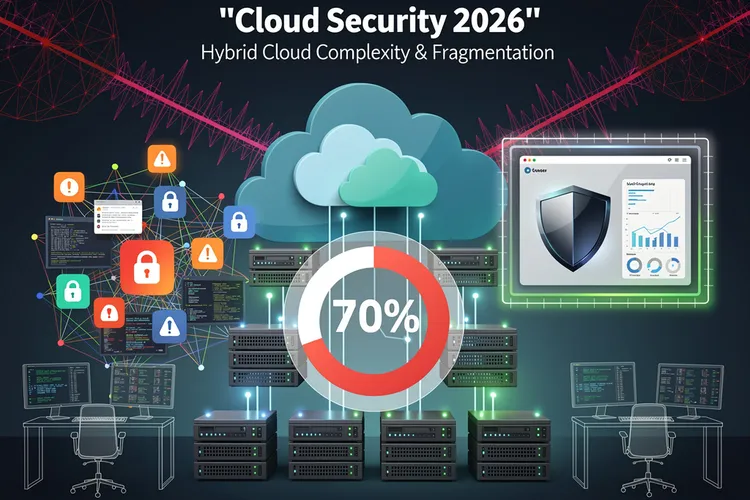
Fortinet's 2026 Cloud Security Report exposes a widening complexity gap in hybrid clouds, where tool sprawl, AI-driven attacks, and skills shortages overwhelm teams despite rising budgets. Nearly 70% cite fragmentation as the top barrier, urging platform shifts and MSSP aid.

IT Management
NordVPN’s Sixth Consecutive Audit Validates Zero-Logs Promise as Privacy Scrutiny Intensifies

NordVPN’s Sixth Consecutive Audit Validates Zero-Logs Promise as Privacy Scrutiny Intensifies

NordVPN completes its sixth consecutive independent audit by Deloitte, confirming its zero-logs policy amid intensifying privacy scrutiny. The verification highlights industry trends toward verifiable transparency as regulatory pressure mounts and consumer skepticism grows regarding VPN privacy claims.

IT Management
Upwind’s Runtime Revolution: $250M Fuels $1.5B Cloud Security Unicorn

Upwind’s Runtime Revolution: $250M Fuels $1.5B Cloud Security Unicorn

Upwind's $250 million Series B catapults it to $1.5 billion valuation, powering runtime-first cloud security amid 900% revenue surge. Backed by Bessemer and all-stars, the ex-Spot.io team targets AI-era threats for giants like Siemens and Roku.

IT Management
Mesh Security’s $12M Bet: Unifying Cyber Chaos into Enterprise Powerhouse

Mesh Security’s $12M Bet: Unifying Cyber Chaos into Enterprise Powerhouse

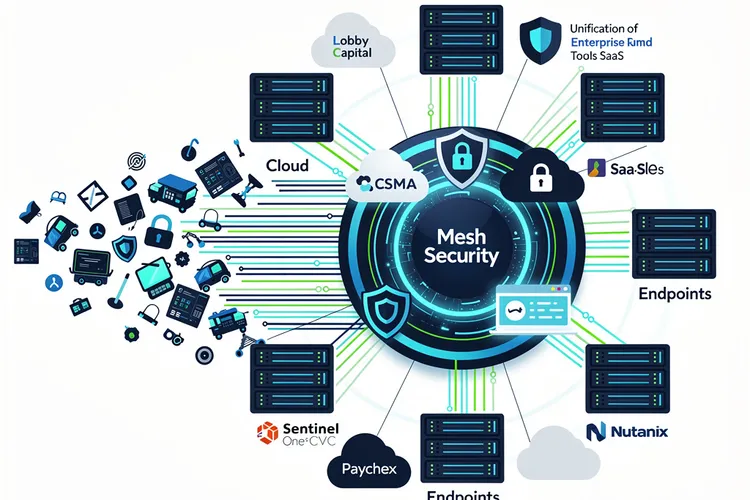
Mesh Security's $12M Series A funds its CSMA platform to unify enterprise cyber tools across clouds and SaaS, eliminating silos agentlessly. Backed by Lobby Capital and SentinelOne's CVC, it gains traction with Paychex and Nutanix amid tool sprawl crisis.

IT Management
Abstract Security and Netskope Forge Real-Time Threat Pipeline, Slicing Through Data Delays

Abstract Security and Netskope Forge Real-Time Threat Pipeline, Slicing Through Data Delays

Abstract Security and Netskope's new partnership embeds real-time detection into security data streams, eliminating indexing delays and slashing costs for joint customers. By processing Netskope telemetry in motion, it boosts threat response while preserving data control.

IT Management
Nationwide’s AI Fortress: AWS Bolsters Fraud Defenses for 17 Million Clients

Nationwide’s AI Fortress: AWS Bolsters Fraud Defenses for 17 Million Clients

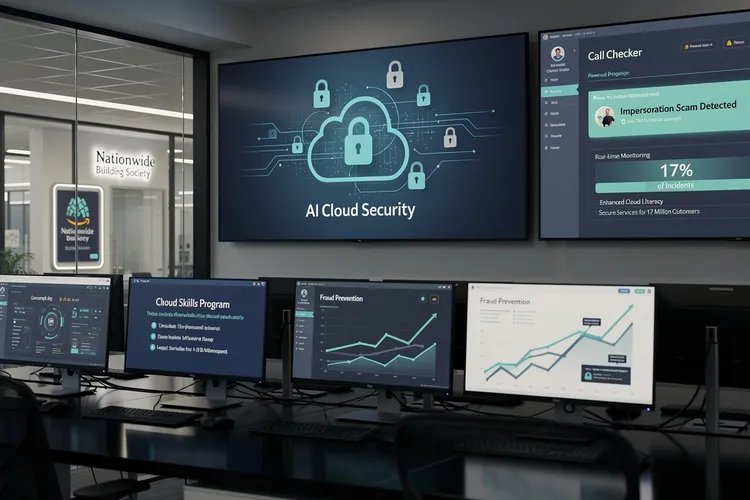
Nationwide Building Society expands its AWS partnership to deploy AI-driven cloud security and fraud prevention, powering tools like Call Checker against impersonation scams affecting 17% of incidents. Workforce training boosts cloud literacy for enhanced service to 17 million customers.

IT Management
CISOs’ Hidden Roadblocks: Why 58% See Their Firms Unready for Cyber Onslaught

CISOs’ Hidden Roadblocks: Why 58% See Their Firms Unready for Cyber Onslaught

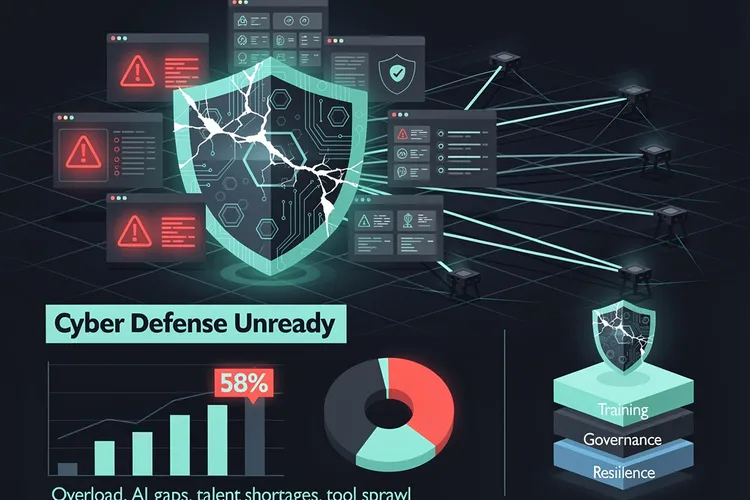
Despite rising budgets, 58% of CISOs deem their organizations unready for cyberattacks, hindered by team overload, AI gaps, talent shortages, and tool sprawl. Experts urge prioritization training, governance, and resilience focus.

IT Management
Security Chiefs Gear Up for AI Agents and Poly-Threats in 2026

Security Chiefs Gear Up for AI Agents and Poly-Threats in 2026

Security leaders brace for 2026's AI agents, poly-threats, and quantum risks, shifting from reactive defenses to governance, identity controls, and resilient architectures amid record attacks and regulatory mandates.

IT Management