
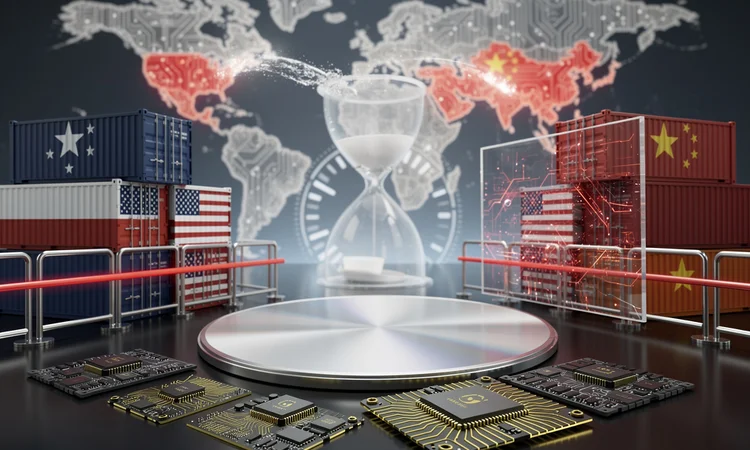
The United States has announced plans to impose tariffs on semiconductor imports from China, but with a significant delay until mid-2027. This move, revealed by the U.S. Trade Representative (USTR), follows a year-long investigation into China’s practices in the chip sector. According to a report from Reuters , the tariffs are set to begin in June 2027, with the exact rate to be announced a month prior. The investigation concluded that China’s actions were unreasonable and burdensome to U.S. commerce, prompting this actionable response.
This decision comes amid a backdrop of ongoing trade tensions between the two superpowers, exacerbated by recent diplomatic engagements. A truce between President Donald Trump and Chinese President Xi Jinping has influenced the timeline, as noted in a Bloomberg analysis. The U.S. is holding off on immediate tariffs, opting instead for a deferred implementation that allows time for domestic industries to adjust and for potential negotiations to unfold. Industry experts suggest this delay could provide breathing room for American companies reliant on Chinese chips, while signaling a long-term commitment to reducing dependency.
The semiconductor industry, a cornerstone of modern technology, has been at the heart of U.S.-China rivalry. Chips power everything from smartphones to advanced AI systems, and China’s growing prowess in production has raised national security concerns in Washington. The USTR’s findings highlight subsidies and unfair trade practices that have allowed Chinese firms to flood the market with low-cost semiconductors, undercutting U.S. manufacturers.
Escalating Trade Frictions and Historical Context
Historically, tariffs on Chinese goods have been a tool in the U.S. arsenal since the initial trade war began in 2018 under the first Trump administration. A fact sheet from The White House details a recent deal aimed at rebalancing trade relations, yet semiconductors remain a flashpoint. The current 0% duty on many Chinese chips is set to change, marking a shift from previous exemptions designed to stabilize supply chains.
Critics argue that the delay to 2027 might dilute the tariffs’ impact, giving China time to further entrench its position. Posts on X reflect a mix of sentiments, with some users predicting inflationary pressures on consumer electronics if tariffs proceed unchecked. For instance, financial analysts have warned that such measures could raise prices for devices like iPhones by significant margins, echoing concerns from earlier in the year.
In parallel, China is ramping up its domestic chip industry to counter Western restrictions. An NPR report describes how Chinese firms are hustling to achieve self-sufficiency, even as the U.S. considers loosening some export controls under the new administration. This dynamic illustrates the cat-and-mouse game in global tech supply chains, where tariffs are just one lever among many.
Industry Reactions and Economic Ripples
Semiconductor giants like Intel and Nvidia are closely watching these developments, as tariffs could reshape sourcing strategies. A summary from China Briefing outlines the intersecting tariff rates in effect for 2025, noting that while some sectors face immediate hikes, chips enjoy a temporary reprieve. This staggered approach is seen as a strategic pivot, allowing U.S. firms to invest in domestic production without abrupt disruptions.
Economic forecasts vary, but many point to potential inflation. Wall Street analyses, including those from JPMorgan and Morgan Stanley shared on X, suggest that tariff-induced inflation could delay Federal Reserve rate cuts and squeeze corporate margins. For Apple, which relies heavily on Chinese manufacturing, the impact could be profound, with estimates of up to a 9% hit to gross margins.
Moreover, the broader ecosystem feels the strain. Suppliers in Taiwan and South Korea, key players in the chip supply chain, may benefit from any diversion of orders away from China. However, the uncertainty has led to volatile stock movements in the sector, with the SMH ETF experiencing fluctuations as traders digest the news.
Strategic Delays and Geopolitical Maneuvering
The choice of 2027 as the start date aligns with broader policy goals, including the CHIPS Act’s incentives for U.S.-based manufacturing. President Trump’s tariff tracker, detailed in a Trade Compliance Resource Hub entry, emphasizes tariffs as a “beautiful” tool for economic rebalancing. Yet, the delay suggests a pragmatic acknowledgment of current dependencies, avoiding immediate shocks to critical industries.
Geopolitically, this move is part of a larger effort to curb China’s technological ascent. Sanctions on advanced semiconductors and predictions of further restrictions, as discussed in X posts from industry observers, indicate a multifaceted strategy. For example, potential prohibitions on U.S. companies using Chinese open-source AI models could complement tariffs, creating a comprehensive barrier.
China’s response has been to accelerate its own innovations. Reports indicate a surge in equipment purchases, with China remaining the top buyer of chip-making tools through 2025, potentially reaching $133 billion in global sales. This resilience challenges the effectiveness of U.S. measures, as Beijing pushes for self-reliance in legacy and advanced chips alike.
Market Sentiments and Future Projections
Sentiment on platforms like X reveals a divide: some hail the tariffs as necessary protectionism, while others decry them as inflationary folly. A post highlighting Trump’s promise of 100% tariffs on semiconductors underscores the aggressive rhetoric, though the delayed implementation tempers immediate fears. Analysts warn of supply chain disruptions, with tech earnings potentially dropping by 15% and risks of stagflation looming.
Looking ahead, the semiconductor sector faces a period of recalibration. The USTR’s action, as covered in The Economic Times , impacts not just imports but also U.S. commerce broadly. Companies building plants in the U.S. may receive tariff exemptions, incentivizing onshoring.
Investors are advised to monitor developments closely, as any escalation could ripple through global markets. The truce with Xi might lead to negotiations that soften the blow, but underlying tensions persist.
Navigating Uncertainties in Supply Chains
For industry insiders, the key takeaway is the need for diversified supply chains. With tariffs looming, firms are exploring alternatives in Vietnam, India, and Mexico to mitigate risks. This shift, while costly, could foster innovation and resilience in the long term.
The delay provides a window for strategic planning. As one X user noted, the pivot away from isolating China might result in moderated tariffs, perhaps settling at 20% rather than higher figures. This moderation could preserve access to affordable components while encouraging domestic growth.
Nevertheless, the human element—jobs in manufacturing—remains crucial. Tariffs aim to revive U.S. production, but critics argue they could lead to job losses if prices soar and demand dips.
Long-Term Implications for Global Tech Dominance
Ultimately, this tariff strategy underscores America’s determination to lead in semiconductors. By deferring action, the U.S. balances short-term stability with long-term security, potentially reshaping global tech power dynamics.
China’s rally in chip development, as per the NPR coverage, shows that tariffs alone won’t suffice; coordinated export controls and investments are essential. The coming years will test whether this approach curbs China’s advances or merely accelerates them.
As the 2027 deadline approaches, stakeholders must prepare for a transformed environment in chip trade, where geopolitical strategy intersects with economic reality in profound ways. The outcome could define the next era of technological innovation and international relations.


Leave a Reply
Your email address will not be published.