
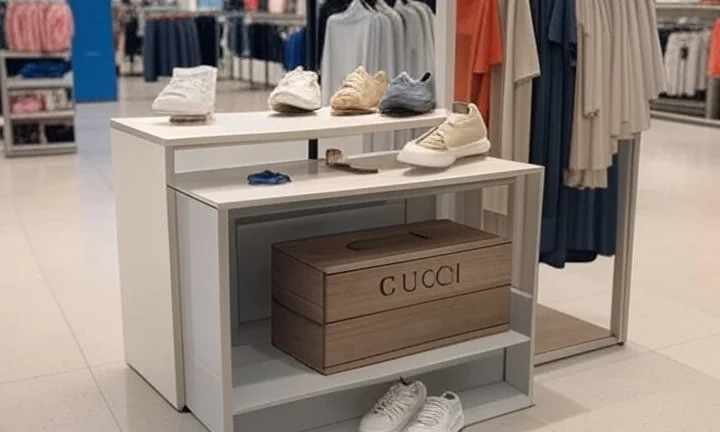
In the bustling aisles of Ross Dress for Less, a quiet revolution is unfolding. Shoppers, once accustomed to rummaging through racks of budget apparel and home goods, are now stumbling upon treasures like Gucci handbags and Hoka sneakers at steep discounts. This shift isn’t accidental; it’s a deliberate strategy by the off-price giant to elevate its inventory with premium names, drawing in a broader swath of consumers eager for deals amid economic uncertainty. As inflation lingers and spending habits evolve, Ross’s move signals a broader trend in retail where luxury meets accessibility.
According to recent reports, Ross has ramped up its sourcing of high-profile brands, with CEO Barbara Rentler highlighting this push in the company’s latest earnings call. The retailer, known for its “treasure hunt” shopping experience, is capitalizing on excess inventory from luxury and athletic brands, snapping up overstock at low costs and passing savings to customers. This approach has not only boosted foot traffic but also positioned Ross as a formidable player in the competitive discount sector.
The allure is evident in shopper anecdotes and sales figures. Customers report spotting Gucci accessories priced at fractions of their original retail value, alongside Hoka’s popular running shoes, which have gained a cult following for their comfort and performance. This infusion of upscale items is luring deal-hunters who might otherwise shop at higher-end outlets or online platforms.
Sourcing Strategies and Supplier Dynamics
Ross’s success hinges on its agile supply chain, which thrives on opportunistic buying. Unlike traditional department stores that order seasons in advance, off-price retailers like Ross purchase surplus goods from manufacturers and designers facing overproduction or canceled orders. This model allows them to offer name-brand products at 20% to 60% off regular prices, a formula that’s proving resilient in today’s market.
Insights from industry analyses underscore this edge. A deep dive by AInvest describes Ross’s “off-price moat,” emphasizing how its buying power and store format create a defensible position against competitors. The report notes that in 2026, with consumer confidence fluctuating, Ross’s ability to stock coveted brands like Gucci and Hoka could drive sustained growth.
Furthermore, partnerships with brands are evolving. Hoka, under the Deckers Outdoor umbrella, has seen its products appear more frequently in discount channels as part of broader distribution strategies. This isn’t dilution but smart inventory management, ensuring products don’t languish in warehouses.
Consumer Shifts and Market Trends
The rise of luxury at discount prices reflects changing buyer behaviors. In an era of economic caution, even affluent shoppers are turning to off-price options for value. Social media buzz, including posts on X, highlights this enthusiasm, with users sharing hauls of designer finds at Ross, amplifying the retailer’s appeal through word-of-mouth.
Data from recent sales events supports this. Hoka’s own promotions, as covered by NBC News , show models like the Clifton and Arahi discounted significantly, mirroring the deals at Ross. This synergy suggests brands are comfortable with off-price exposure to clear stock without eroding premium perceptions.
Ross’s performance metrics tell a compelling story. The company reported a uptick in comparable store sales, attributed partly to these premium assortments. Analysts predict this trend will continue, with projections for 2026 indicating robust revenue growth driven by expanded brand offerings.
Competitive Pressures and Retail Evolution
Yet, this strategy isn’t without challenges. Competitors like TJ Maxx and Marshalls, part of the TJX Companies, are similarly pursuing luxury overstock, intensifying the race for top-tier merchandise. Ross must navigate this rivalry while maintaining its low-overhead model, which includes minimal advertising and a no-frills store environment.
A closer look at financial outlooks, such as those in FinancialContent , reveals Ross’s “treasure hunt moat” as a key differentiator. This concept refers to the unpredictable, exciting shopping experience that keeps customers returning, now enhanced by sporadic luxury drops.
Industry insiders note that economic factors, including supply chain disruptions and shifting consumer priorities toward wellness and fashion, are fueling this pivot. Hoka’s surge in popularity, driven by demand for comfortable athletic wear post-pandemic, aligns perfectly with Ross’s inventory needs.
Brand Perspectives and Inventory Management
From the brand side, partnering with off-price retailers like Ross offers a discreet way to manage excess stock. Gucci, owned by Kering, has historically been selective about distribution, but economic pressures have opened doors to discount channels. This allows brands to maintain full-price integrity in flagship stores while liquidating surplus through outlets like Ross.
Recent coverage in DNYUZ echoes this, quoting Ross executives on their proactive sourcing. The article points to increased availability of Hoka products, which have become staples for runners and casual wearers alike, boosting Ross’s athletic footwear category.
Moreover, shopper sentiment on platforms like X indicates a growing acceptance of discounted luxury. Posts celebrate finds that blend high fashion with affordability, suggesting a democratization of premium goods that could reshape retail norms.
Economic Context and Future Projections
Broader economic indicators provide context for Ross’s strategy. With inflation cooling but household budgets still tight, consumers are prioritizing value. This environment favors off-price models, as evidenced by Ross’s stock performance and analyst upgrades heading into 2026.
Explorations in Esquire detail Hoka deals, noting discounts on models like the Bondi 9 and Clifton 10, which align with Ross’s offerings. Such promotions underscore the symbiotic relationship between brands and discounters.
Looking ahead, experts anticipate Ross will expand its premium assortments, potentially including more accessories and home goods from luxury labels. This could further solidify its market position, attracting demographics beyond traditional bargain seekers.
Operational Insights and Store Experiences
At the store level, Ross’s approach creates a dynamic environment. Employees report increased excitement around new shipments, with luxury items often selling out quickly. This rapid turnover encourages frequent visits, reinforcing the treasure hunt allure.
Comparative analyses, like those from Gear Patrol , highlight Hoka’s award-winning sneakers now accessible at lower price points, benefiting consumers and retailers alike.
Insider perspectives suggest Ross is investing in buyer training to better identify high-value opportunities, ensuring a steady flow of desirable brands.
Sustainability and Ethical Considerations
An often-overlooked aspect is the sustainability angle. By redirecting overstock to discount channels, Ross helps reduce waste in the fashion industry, where unsold inventory contributes to environmental strain. This aligns with growing consumer demand for responsible retail practices.
Reports from Men’s Health on Hoka’s sales emphasize editor-tested gear at reduced prices, promoting accessibility without excess production.
As brands like Gucci navigate their own sustainability goals, off-price partnerships offer a pragmatic solution, balancing profit with planetary concerns.
Investor Sentiment and Strategic Outlook
For investors, Ross’s pivot is a bullish signal. Stock analyses point to strong fundamentals, with the company’s ability to adapt to market shifts earning praise. The inclusion of brands like Gucci and Hoka is seen as a catalyst for margin improvement.
Drawing from X discussions, there’s palpable excitement among retail enthusiasts, with shares of deal discoveries fostering community around thrifty luxury.
Ultimately, Ross’s strategy exemplifies adaptive retail in action, blending opportunism with consumer insight to thrive in a volatile market.
Global Influences and Broader Implications
While focused on the U.S., Ross’s model draws from global trends. International brands like Gucci bring worldwide appeal, while Hoka’s growth reflects athletic wear’s universal demand. This cross-pollination enriches Ross’s offerings, appealing to diverse shoppers.
Additional insights from MSN reiterate the luring effect on deal-seekers, with CEO comments underscoring strategic sourcing.
As 2026 progresses, monitoring how these trends evolve will be crucial for understanding retail’s future trajectory.
Innovation in Retail Formats
Ross isn’t standing still; innovations in store layout and digital integration could enhance the luxury discount experience. While primarily brick-and-mortar, subtle online enhancements might complement in-store hunts.
Industry reports suggest that as more brands embrace off-price, Ross’s role as a key player will expand, potentially influencing pricing strategies across the sector.
This evolution positions Ross not just as a discounter, but as a curator of affordable luxury, redefining value in modern retail.


Leave a Reply
Your email address will not be published.