







Power Crunch: How Electricity Shortfalls Are Stifling Worldwide Expansion in 2025
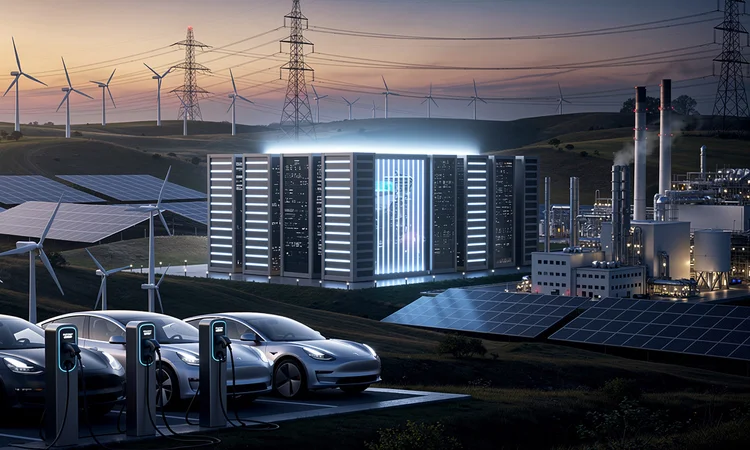
In an era where digital innovation drives nearly every sector, a fundamental resource is emerging as the unexpected bottleneck: electricity. As 2025 unfolds, surging demand from artificial intelligence data centers, electric vehicles, and industrial resurgence is outpacing supply in many regions, leading to grid strains that threaten to curb economic progress. This isn’t just a temporary glitch; it’s a systemic challenge reshaping investment decisions and policy priorities across continents.
Businesses from Silicon Valley to Shanghai are grappling with power constraints that delay expansions and inflate costs. Factories idle during peak hours, tech giants scramble for reliable energy sources, and governments race to bolster infrastructure. The ripple effects are profound, influencing everything from corporate earnings to national GDP forecasts.
Recent analyses highlight the severity. A report from the International Energy Agency details how global electricity demand spiked in 2024, with renewables pushing clean power past 40% of the mix, yet fossil fuels saw a slight uptick due to heatwave-driven needs, as noted in Ember’s Global Electricity Review 2025 . This imbalance sets the stage for 2025’s shortages, where supply lags could shave points off growth projections.
Rising Demand Meets Grid Realities
The crux of the issue lies in unprecedented consumption patterns. AI’s voracious appetite for power is a primary culprit, with data centers projected to consume electricity equivalent to entire nations by decade’s end. Posts on X from industry observers underscore this, warning of a “power shortage coming” driven by data center buildouts, potentially requiring an additional 175 gigawatts in the U.S. alone by 2033.
Beyond tech, electrification of transport and manufacturing adds pressure. In the U.S., spending on computer equipment recently contributed more to GDP than ever before, signaling a sharp surge rather than gradual buildup, according to economic charts shared widely online. This mirrors global trends, where emerging economies like India and Brazil face similar strains amid rapid urbanization.
Compounding the problem are supply-side hurdles. Aging grids, regulatory delays, and material shortages—such as transformers and electrical-grade steel—hinder expansions. A recent Oxford Institute for Energy Studies commentary warns that underestimating demand could lead to reliability issues and missed economic opportunities, while overestimation risks stranded assets, as seen in past U.S. overbuilds costing billions, per their January 2025 report .
Economic Toll on Key Sectors
The fallout is already visible in corporate balance sheets. Manufacturers in energy-intensive industries like steel and chemicals are curtailing production to avoid blackouts, directly impacting output. In Europe, where energy crises have lingered since 2022, businesses report deferred investments due to unreliable power, echoing findings in the IEA’s Global Energy Crisis topics .
Take the semiconductor sector: chip fabs require uninterrupted, high-volume electricity. Shortages in Taiwan and South Korea, hubs for global supply chains, could disrupt everything from consumer electronics to automotive assembly lines. Analysts predict this could slow global trade growth by up to 1% in 2025, based on Mastercard’s economic outlook projecting continued expansion but with caveats on energy constraints.
Moreover, the financial sector feels the pinch. Higher electricity prices—up 9.6% year-over-year in the U.S.—erode profit margins and deter capital inflows. Bloomberg’s feature on how electricity is holding back growth notes that grid stress leads to declines in capital outlay, with research showing correlations between power reliability and investment levels, as detailed in their December 15, 2025 article .
Regional Variations and Policy Responses
In Asia, China’s aggressive grid expansions absorb much of the global equipment supply, exacerbating shortages elsewhere. X posts highlight tariff wars and manufacturing bottlenecks for gas turbines, leaving other nations scrambling. India’s power sector, for instance, faces operational challenges from supply chain disruptions, leading to project delays and higher costs.
Europe’s transition to renewables offers lessons but also pitfalls. While solar and wind have scaled rapidly, intermittency issues during low-production periods force reliance on imports or backups, inflating wholesale prices. A 267% surge in U.S. wholesale rates over five years, attributed to AI demand, mirrors European spikes, as shared by energy executives on social platforms.
Policy makers are responding variably. The U.S. under new administration pushes for “energy sanity,” reviving fossil fuels alongside renewables, per ZeroHedge’s 2025 analysis . Yet, critics argue this may not address immediate shortfalls, with X users pointing to backlogs in gas turbines and decade-long timelines for nuclear and geothermal.
Investment Shifts and Innovation Spurs
Capital is flowing toward solutions, but not without friction. The electricity trading market is booming, projected to reach $5,450 billion by 2035 at a 1.55% CAGR, facilitating better supply-demand balancing, according to an OpenPR report . This deregulation trend aids grid reliability but requires massive infrastructure upgrades.
Innovators are stepping up. Companies like those in battery storage and microgrids are attracting billions, aiming to mitigate shortages. For example, AI-driven demand forecasting tools help utilities predict peaks, reducing outage risks. However, scaling these requires overcoming raw material hurdles, such as copper shortages flagged in mining sector discussions on X, where a potential 10 million-ton annual deficit by 2035 looms amid electrification demands.
Investors eye opportunities in utilities and renewables. Stocks in energy firms have surged, with X chatter praising long positions in companies like Constellation Energy and Brookfield Renewable Partners. Yet, the Oxford report cautions against overoptimism, noting historical forecasting errors that led to costly misallocations.
Geopolitical and Environmental Dimensions
Geopolitically, energy dependencies heighten tensions. Nations rich in resources, like those in the Middle East, gain leverage, while import-reliant economies suffer. The IEA’s Global Energy Review 2025 analyzes how these dynamics could disrupt trade, especially with ongoing conflicts affecting supply chains.
Environmentally, the push for clean energy clashes with short-term needs. While Ember’s review celebrates renewables’ 40% milestone, heatwaves forced fossil upticks, underscoring transition challenges. Advocates on X warn that shuttering cheap fuels prematurely causes wholesale shortages, leading to higher prices and system crashes.
Balancing growth with sustainability is key. Our World in Data’s access to energy overview emphasizes that reliable power is essential for living standards, yet billions still lack it, amplifying global inequalities as shortages hit developing regions hardest.
Future Trajectories and Strategic Imperatives
Looking ahead, 2025 could mark a turning point if investments align. Power Technology’s data on industry trends shows renewables overtaking coal, with deal values rising despite fewer transactions, indicating concentrated efforts.
Strategic imperatives include diversifying sources—blending nuclear, hydro, and emerging tech like advanced batteries. Governments must streamline permitting; the New York Times’ piece on U.S. infrastructure suggests a pendulum swing toward building, offering hopeful signs amid housing and power shortages.
For businesses, adaptation means energy-efficient designs and on-site generation. Tech firms are exploring off-grid solutions, while manufacturers relocate to power-abundant areas. 24matins’ report on 2024 demand surges warns of sustainability concerns, urging a rethink of consumption patterns.
Navigating Uncertainty in a Power-Hungry World
Uncertainty looms large, as the Oxford commentary stresses. Over or underestimating demand risks economic fallout, with historical U.S. examples illustrating billions in wasted spending. Global coordination could help, perhaps through international agreements on equipment sharing.
Industry insiders must monitor indicators like grid stress metrics and investment flows. X sentiment reflects urgency, with warnings of AI-driven explosions in demand outstripping preparations, potentially adding another economy’s worth of consumption in five years.
Ultimately, resolving this power crunch demands bold action. By prioritizing resilient systems and innovative financing, the global economy can harness electricity as a catalyst rather than a constraint, fostering sustained expansion in an increasingly electrified future. The stakes are high: failure to act could entrench slowdowns, while success might unlock unprecedented productivity gains.






Leave a Reply
Your email address will not be published.