








As the world hurtles toward an era dominated by artificial intelligence and renewable energy, copper has emerged as a critical linchpin in global supply chains. Prices of the red metal have skyrocketed to record levels, defying expectations of a surplus and sparking intense debate among commodities traders, miners, and policymakers. Recent data shows copper trading at around $5.29 per pound as of mid-December 2025, a sharp climb from earlier in the year, driven by a confluence of geopolitical tensions, technological demands, and strategic stockpiling efforts. This surge comes even as global inventories suggest ample supply, highlighting a paradox that’s reshaping markets.
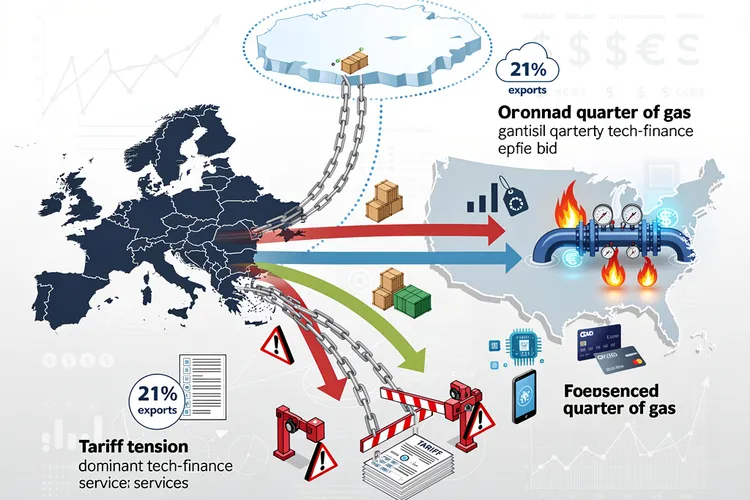
At the heart of this phenomenon is the United States’ aggressive accumulation of copper reserves, a move aimed at insulating domestic industries from potential trade disruptions. Sources indicate that American buyers are rushing to import vast quantities of the metal ahead of anticipated tariffs, particularly those that could stem from escalating trade frictions with major producers like China. This stockpiling frenzy has effectively drained supplies from international exchanges, tightening availability worldwide despite what analysts describe as a global surplus. For instance, reports from Business Insider detail how U.S. actions are fueling record prices, with traders redirecting shipments to American ports to beat any impending barriers.
The ripple effects are profound, extending beyond borders to influence everything from electronics manufacturing to infrastructure projects. In China, the world’s largest consumer of copper, stimulus measures and a rebound in construction have added upward pressure on prices. Meanwhile, disruptions at key mines, such as Indonesia’s Grasberg operation, have compounded supply worries, pushing forecasts for deficits into 2026 and beyond. Experts warn that without significant new production, the market could face chronic shortages, especially as demand from emerging technologies accelerates.
Geopolitical Maneuvers Tighten the Noose on Supply
The U.S. push to stockpile copper isn’t occurring in isolation; it’s part of a broader strategy to secure critical minerals amid rising global competition. With the incoming administration signaling tougher stances on imports, companies are preemptively building inventories to mitigate risks. This has led to a notable shift in trade flows, with copper originally destined for Europe or Asia being rerouted to the U.S., as highlighted in analyses from CNBC . Spot prices on the London Metal Exchange recently hit $11,816 per ton, with futures not far behind, underscoring the immediate impact of these maneuvers.
Compounding this are supply-side shocks that have plagued the industry throughout 2025. Severe disruptions at major mines, including weather-related halts in South America and operational issues in Africa, have slashed output estimates. J.P. Morgan’s global research team projects copper prices averaging $12,500 per metric ton by the second quarter of 2026, attributing this to a barrage of these interruptions, according to their outlook report . This forecast aligns with sentiments from posts on X, where traders and analysts express bullish views on copper’s trajectory, citing deficits widening to hundreds of thousands of tons in the coming years.
Yet, the global supply picture isn’t as dire as price action suggests. Industry data points to a surplus of around 233,000 tons in the second quarter of 2025, driven by increased refining capacity in China. However, this excess hasn’t translated to lower prices due to the U.S. stockpiling effect, which is artificially constricting available metal. As one commodities strategist noted in recent discussions on social platforms, the mismatch between apparent surplus and market tightness is creating volatility that’s unprecedented in recent memory.
AI’s Insatiable Hunger for the Red Metal
Artificial intelligence is perhaps the most dynamic force propelling copper demand into the stratosphere. Data centers powering AI models require immense amounts of the metal for wiring, cooling systems, and power infrastructure. Estimates suggest that AI-related demand could consume up to 1.1 million tons annually by 2030, representing nearly 3% of global needs. This surge is already evident in price rallies, with copper climbing 29.4% year-over-year, as tracked by Trading Economics .
Experts from Goldman Sachs anticipate a slight pullback to $10,000-$11,000 per ton in 2026 before longer-term gains driven by energy transitions, per their research note . This outlook is echoed in X posts from industry insiders, who highlight how AI data centers are pulling demand forward at a pace that outstrips even the most optimistic supply projections. For context, a single hyperscale data center can require thousands of tons of copper, and with tech giants like Google and Microsoft expanding rapidly, the strain on resources is intensifying.
Beyond AI, the electric vehicle boom and renewable energy grids are amplifying consumption. Copper’s superior conductivity makes it indispensable for batteries, charging stations, and transmission lines. In the U.S., initiatives to upgrade aging power infrastructure are further boosting domestic needs, aligning with stockpiling efforts. As detailed in a Q2 2025 review from Investing News Network , demand is outpacing supply despite surpluses, with tariffs looming as a potential wildcard that could exacerbate global imbalances.
Forecasts Point to Sustained Volatility Ahead
Looking ahead to 2026, analysts are divided on the trajectory but largely agree on continued upward pressure. Bank of America, in earlier projections shared on X, sees prices averaging $10,750 per ton in 2025, rising to $12,000 in 2026, fueled by deficits estimated at 350,000 tons by 2027. This contrasts with more cautious views, like those from Morgan Stanley, which warn of perennial shortages materializing from supply disruptions and delayed mine ramps.
The role of China remains pivotal. As the operator of about 60% of global refined copper capacity, its export surges have provided some relief, but not enough to counter AI-driven demand spikes. Recent news from OilPrice.com indicates prices surging toward $12,000 per ton, with long-term forecasts eyeing $15,000 by 2026 amid geopolitical trade fears. X users, including commodities enthusiasts, emphasize the calendar mismatch: demand from electrification and tech is immediate, while new mines take 20-25 years to develop, potentially leading to a 27 million-ton shortfall by 2050.
Investor sentiment reflects this optimism mixed with caution. Shares of companies like Hindustan Copper have rallied then dipped on profit-taking, as reported by The Economic Times , underscoring the market’s sensitivity to price swings. Broader economic factors, including U.S. rate cuts and Chinese stimulus, are also stoking the fire, with carboncredits.com noting copper’s climb to $11,771 per ton in recent weeks.
Navigating Risks in a Tight Market
Risks abound in this heated environment. Potential overstocking in the U.S. could lead to a price correction if tariffs don’t materialize as severely as feared. Goldman Sachs’ forecast of a decline from record highs in 2026 hinges on improved supply chains, but ongoing disruptions cast doubt on that timeline. Moreover, environmental regulations are slowing new mine developments, particularly in copper-rich regions like Chile and Peru, where community opposition and water scarcity issues persist.
For industry players, hedging strategies are becoming essential. Traders are increasingly turning to futures markets to lock in prices, while miners accelerate exploration in underexplored areas like Africa and Australia. Insights from X reveal a consensus that even with every planned mine built, deficits will persist, driven by AI and green energy needs. This has prompted calls for policy interventions, such as incentives for recycling and alternative materials research, though copper’s unique properties make substitutes challenging.
The interplay between surplus illusions and real shortages is creating opportunities for savvy investors. As one X post from a value investing account outlined, consensus forecasts for 2026 average prices hover around $4.75-$5.00 per pound, with long-term decks at $3.75-$4.00, but key drivers like 160-200,000-ton deficits suggest upside potential. Business Insider’s coverage reinforces this, noting how U.S. actions are draining global markets, setting the stage for sustained high prices.
Strategic Implications for Global Trade
On the trade front, the U.S. stockpiling mirrors broader efforts to reshore critical supply chains, reducing reliance on foreign powers. This could reshape alliances, with countries like Canada and Australia positioning themselves as reliable suppliers. However, it risks escalating tensions, potentially leading to retaliatory measures that further fragment markets.
In the AI sector, companies are already adapting by seeking efficiencies in copper usage, but demand projections remain robust. J.P. Morgan’s report underscores how supply shocks and tariff flows are driving volatility, with LME prices nearing $12,000 as of December 2025. Posts on X from tech analysts highlight the irony: while silver garners attention as a safe-haven metal, copper’s industrial indispensability is quietly powering the next wave of innovation.
Ultimately, the copper market’s current dynamics signal a new era of resource nationalism and technological dependency. As prices hover at records despite surpluses, stakeholders must prepare for a future where supply constraints could dictate economic growth. With AI and electrification as unrelenting forces, the red metal’s story is far from over, promising both challenges and opportunities for those attuned to its rhythms.






Leave a Reply
Your email address will not be published.