







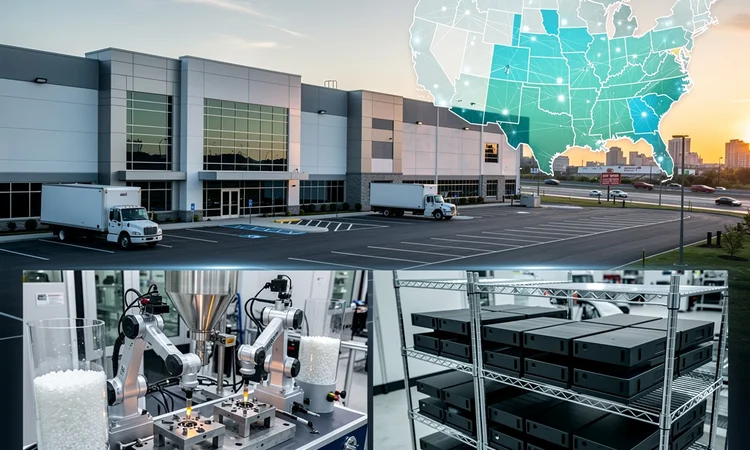
In a move that underscores the shifting dynamics of global supply chains, Foxconn Technology Group, the Taiwanese electronics giant best known for assembling Apple’s iPhones, has announced plans to establish its first U.S. manufacturing facility in Louisville, Kentucky. The investment, pegged at around $173 million, is set to create 180 jobs and focus on consumer electronics production, including injection molding and tooling operations. This development comes amid broader efforts by multinational firms to diversify away from overseas dependencies, particularly in Asia, where geopolitical tensions and trade disruptions have prompted a reevaluation of production strategies.
The announcement was made public through official channels, with Louisville Mayor Craig Greenberg highlighting the project’s role in bolstering the city’s economy. According to details shared on the LouisvilleKY.gov website, operations are slated to commence in the third quarter of 2026. Foxconn, formally known as Hon Hai Precision Industry Co., positions this as part of its “Made in America” initiative, aiming to tap into local talent and infrastructure while reducing reliance on international logistics. The facility will specialize in precision manufacturing for consumer goods, potentially including components for a range of electronics, though specifics on end products remain under wraps.
This isn’t Foxconn’s first flirtation with U.S. soil; the company has a history of ambitious but sometimes troubled domestic ventures. Recall the 2017 Wisconsin project, which promised a $10 billion LCD factory but scaled back dramatically amid cost overruns and shifting market demands. Industry observers note that the Kentucky endeavor appears more modest and targeted, focusing on niche operations like plastics processing rather than full-scale assembly lines. Posts on X, formerly Twitter, from users in the economic development sphere have echoed optimism, with some highlighting the job creation potential as a win for Kentucky’s burgeoning tech sector.
Foxconn’s Strategic Pivot Amid Global Pressures
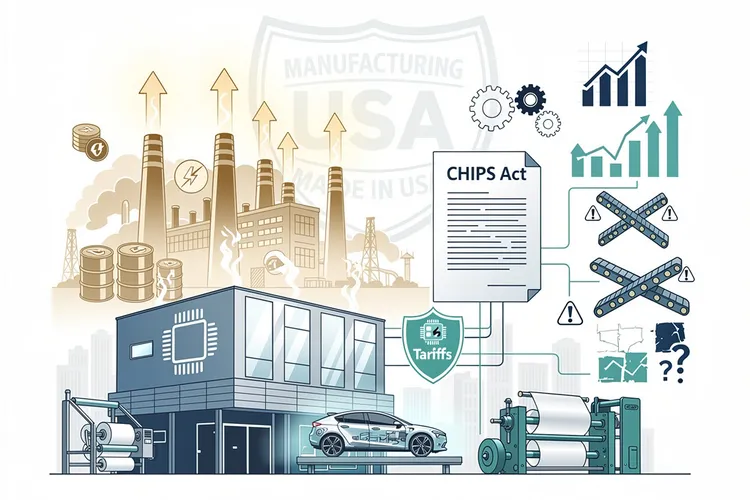
Foxconn’s decision to plant roots in Kentucky aligns with a wave of reshoring efforts by tech firms, driven by U.S. incentives and the need for supply chain resilience. The Biden administration’s CHIPS and Science Act, along with state-level tax breaks, has lured investments in domestic manufacturing. In Kentucky, Governor Andy Beshear’s office has been instrumental, as detailed in a release from The Lexington Times , which emphasizes the project’s creation of high-skilled positions in areas like AI-driven automation and robotics. The facility’s emphasis on injection molding suggests a focus on components that could support everything from smart home devices to automotive electronics.
Yet, speculation abounds regarding Foxconn’s primary clients for this site. While the company is synonymous with Apple, sources indicate this factory may not directly feed into the iPhone ecosystem. An analysis from AppleInsider points out that nothing in the announcements ties the project to Cupertino’s supply chain, instead suggesting broader consumer electronics applications. This could mean partnerships with other brands seeking U.S.-based production to mitigate tariffs or appeal to “buy American” sentiments. Foxconn’s global footprint, spanning China, India, and now the U.S., reflects a hedging strategy against risks like U.S.-China trade frictions.
On X, discussions among tech enthusiasts and analysts have speculated about the factory’s potential role in emerging sectors. Posts reference Foxconn’s recent expansions in India for electric vehicles and digital health, drawing parallels to how the Kentucky plant might evolve. For instance, one thread noted the company’s $500 million investment in Telangana, India, which created thousands of jobs in electronics manufacturing, hinting at scalable models that could be replicated stateside.
Economic Ripple Effects in the Bluegrass State
Louisville’s selection as the site isn’t arbitrary; the city’s logistics advantages, including its UPS Worldport hub, make it an ideal node for distribution. Local media, such as WDRB , report that the investment will inject vitality into the region’s economy, with projections of indirect job growth in suppliers and services. The 180 direct positions, while not massive, are expected to be well-compensated, targeting engineers and technicians skilled in advanced manufacturing techniques.
Kentucky’s economic development cabinet has touted this as a milestone, building on the state’s manufacturing heritage. From bourbon distilleries to automotive plants, the commonwealth has pivoted toward high-tech industries, with Foxconn joining ranks alongside Ford and Toyota facilities. Insights from Plastics News delve into the technical side, noting the plant’s integration of injection molding—a process critical for producing durable plastic components used in gadgets. This could position Kentucky as a hub for plastics innovation, attracting further investments.
Community reactions, as gleaned from X posts, mix excitement with caution. Some users reference Foxconn’s labor controversies in China, urging vigilance on worker rights in the new U.S. operation. Others praise the move as a counter to deindustrialization, with one post likening it to the resurgence of American factories in chips and biotech, emphasizing consumer willingness to pay premiums for domestically made goods.
Technological Innovations and Future Prospects
At the heart of Foxconn’s Kentucky venture is a commitment to cutting-edge technology. The facility will incorporate AI and robotics to streamline production, potentially setting benchmarks for efficiency in U.S. manufacturing. According to WAVE 3 , the $173 million outlay includes state-of-the-art equipment for tooling, which could enable rapid prototyping and customization—key in an era of personalized electronics.
This technological bent raises questions about workforce readiness. Kentucky officials are partnering with local universities to train talent, addressing potential skills gaps. Broader industry trends, as reported in various outlets, show Foxconn diversifying beyond traditional assembly; its forays into electric vehicles and semiconductors suggest the Louisville plant might eventually pivot to these areas. For now, the focus remains on consumer electronics, but flexibility is baked into the design.
X conversations have amplified these prospects, with posts speculating on integrations with emerging tech like 5G components or sustainable materials. One user highlighted Foxconn’s global EV ambitions, including a massive facility in Uttar Pradesh, India, aimed at producing 25-30 million iPhones annually alongside EV components, drawing analogies to potential Kentucky expansions.
Challenges and Broader Implications for Supply Chains
Despite the optimism, hurdles loom. Foxconn’s past U.S. projects, like the Wisconsin fiasco, serve as cautionary tales. Cost escalations, regulatory delays, and market shifts could temper progress. Moreover, the investment’s scale—modest compared to Foxconn’s Asian megafactories—might limit its immediate impact, as noted in analyses from multiple sources.
Geopolitically, this move bolsters U.S. efforts to onshore critical technologies. With tensions over Taiwan and China, where Foxconn has deep roots, diversifying production mitigates risks. Kentucky’s plant could become a template for other firms, encouraging a renaissance in American manufacturing hubs.
Local stakeholders, per WFMJ , anticipate environmental considerations, with commitments to sustainable practices amid scrutiny on manufacturing’s carbon footprint. X posts reflect public sentiment, some calling for transparency on emissions and job quality.
Industry-Wide Shifts and Competitive Dynamics
Foxconn’s Kentucky foray fits into a larger pattern of tech giants reshoring. Competitors like Samsung and TSMC have announced U.S. plants, fueled by subsidies. This competition could drive innovation, with Louisville emerging as a contender in the electronics arena.
For workers, the jobs promise stability in a volatile sector. Training programs, as outlined in state announcements, aim to upskill locals, potentially reducing unemployment in surrounding areas.
Looking ahead, the plant’s success hinges on integration with global networks. While not tied to Apple, per AppleInsider’s insights, it could indirectly benefit from Foxconn’s ecosystem, perhaps supplying components to diverse clients.
Sustaining Momentum in Domestic Manufacturing
As operations gear up for 2026, monitoring progress will be key. Economic developers, via posts on X from entities like the Kentucky Cabinet for Economic Development, express confidence in the project’s timeline.
The initiative also highlights bipartisan support for manufacturing revival, transcending political divides. Governor Beshear’s involvement underscores state-federal synergies.
Ultimately, Foxconn’s Louisville factory represents a calculated step toward a more balanced global production framework, blending technological prowess with local economic gains.
Evolving Narratives in Tech Localization
Industry insiders view this as part of Foxconn’s maturation, evolving from a contract manufacturer to a diversified player. References to its Indian expansions on X underscore a multi-continental strategy.
Potential expansions could include R&D centers, fostering innovation clusters in Kentucky.
In the broader context, this investment signals resilience in U.S. manufacturing, countering offshoring trends of decades past.






Leave a Reply
Your email address will not be published.