




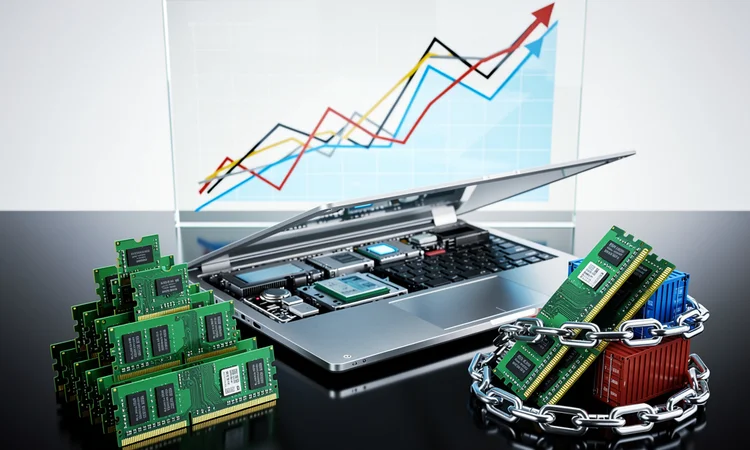
In the ever-evolving world of personal computing, where modularity and sustainability are gaining traction, Framework Computer has long positioned itself as a beacon for DIY enthusiasts. The company, known for its repairable and upgradable laptops, recently announced a significant price adjustment that has sent ripples through the tech community. Specifically, Framework has increased the cost of DDR5 memory modules for its Laptop DIY Edition by 50%, a move driven by escalating global memory shortages. This decision, detailed in a company blog post, underscores the broader pressures facing the hardware industry amid surging demand from artificial intelligence applications.
The price hike affects customers configuring their own laptops through Framework’s online store, where memory options are bundled with the base system. For instance, a 16GB DDR5 module that previously cost around $40 now retails for $60, while higher-capacity options like 64GB kits have seen proportional increases. Framework attributes this to skyrocketing wholesale costs, which have forced the company to pass on some of the burden to consumers. Unlike pre-built laptops from major manufacturers, Framework’s DIY model allows users to select components individually, making such adjustments more transparent but also more directly felt by buyers.
This isn’t an isolated incident for Framework. Earlier in November, the company halted standalone sales of DDR5 memory to combat scalping, preserving stock for bundled purchases. As reported by Tom’s Hardware , this step was taken amid warnings of impending price rises due to the “AI crunch,” where data centers are gobbling up vast quantities of DRAM. Framework’s transparency in communicating these changes has been praised, but it highlights the vulnerability of smaller players in a market dominated by giants like Samsung and Micron.
Unpacking the Global DRAM Shortage
The root cause of Framework’s price increase traces back to a perfect storm in the memory market. Demand for high-bandwidth memory, particularly DDR5, has exploded thanks to the proliferation of AI training models and data center expansions. Companies like Nvidia and Google are hoarding chips to fuel their AI ambitions, leaving consumer-grade hardware in short supply. According to industry analyses, DDR5 prices have surged over 300% since September, with some kits jumping from $150 to $500 in mere months.
Posts on X (formerly Twitter) reflect the frustration among consumers and builders. Users have noted that 64GB DDR5 configurations, once affordable for high-end gaming or productivity setups, are now prohibitively expensive, potentially delaying upgrades or builds. One prominent post highlighted how AI-driven demand has created a ripple effect, impacting everything from laptops to desktops. Framework itself chimed in on X, pointing out that its Desktop Mainboard with 128GB of LPDDR5x is now cheaper than assembling a comparable Ryzen desktop system, illustrating the market’s distortions.
Broader news coverage echoes this sentiment. Phoronix reported that Framework had been holding prices lower than competitors despite industry-wide shortages, but the ongoing volatility proved unsustainable. The company’s blog emphasized efforts to negotiate with suppliers, yet wholesale costs have risen so sharply that a 50% retail adjustment was necessary to maintain operations without dipping into losses.
Framework’s Strategic Response and Market Positioning
Framework’s modular design philosophy, which allows users to swap out components like memory without replacing the entire device, makes it uniquely exposed to such fluctuations. Unlike Apple or Dell, which integrate memory into their systems and absorb costs through economies of scale, Framework sells interchangeable parts, amplifying the impact of supply chain issues. The recent hike applies only to the DIY Edition, sparing pre-configured models for now, but the company has warned that further increases could follow if market conditions worsen.
To mitigate scalping, Framework also updated its return policy, limiting returns on memory-inclusive orders to fight opportunistic resellers. This move, as covered by NotebookCheck.net , aims to ensure genuine customers aren’t squeezed out. Insiders note that Framework’s small scale—relying on just-in-time inventory—exacerbates these challenges, but it also fosters loyalty among a niche audience that values repairability over rock-bottom prices.
Comparisons to past cycles are inevitable. Memory markets have always been cyclical, with booms and busts driven by factors like smartphone production or cryptocurrency mining. However, the current surge feels different, fueled by AI’s insatiable appetite for data processing. Hacker News discussions delve into economic theories, referencing tendencies toward monopoly and overproduction as hallmarks of capitalism’s inherent crises, drawing parallels to studies from over a century ago.
Broader Implications for the PC Industry
The fallout extends beyond Framework. Major laptop makers like Lenovo have been stockpiling RAM to avoid price spikes, as noted in reports from PCMag . This proactive approach contrasts with Framework’s more reactive stance, highlighting the advantages of scale. For consumers, the hike could slow the adoption of DDR5, which offers faster speeds and better efficiency than its DDR4 predecessor, potentially keeping older systems in use longer.
Developers and content creators, who rely on ample RAM for tasks like video editing or software compilation, are particularly affected. Posts on X from game developers warn that minimum system requirements might stagnate, with 16GB setups remaining standard for years due to affordability issues. One developer lamented that GPU prices have worsened generationally, compounding the memory crunch and making high-end builds a luxury.
Framework’s situation also spotlights sustainability concerns. By promoting upgradable hardware, the company aims to reduce e-waste, but rising component costs could deter users from modular systems. As VideoCardz.com points out, the price adjustment is a direct response to spiking costs, yet Framework pledges to lower prices as soon as market conditions stabilize, maintaining its customer-first ethos.
AI’s Role in Disrupting Supply Chains
At the heart of this turmoil is the AI boom. Data centers require immense amounts of high-performance memory, diverting production from consumer markets. Analysts predict that without increased manufacturing capacity, shortages could persist into 2026. Tom’s Hardware detailed how Framework’s DIY focus makes it a canary in the coal mine, with the 50% increase signaling potential waves for the entire sector.
X users have shared charts showing DDR5 price trajectories, with spikes accelerating since October. One finance-focused account described the increases as unprecedented, surpassing any prior cycles. This sentiment aligns with expert views that AI’s demand is reshaping priorities, as memory makers pivot to lucrative enterprise contracts over consumer sales.
Framework’s own communications, including a blog post on navigating volatile markets, emphasize resilience. The company is exploring alternative suppliers and even considering bundling deals to soften the blow, but insiders acknowledge that without industry-wide relief, such measures are temporary fixes.
Consumer Reactions and Future Outlook
Feedback from the community has been mixed. While some applaud Framework’s honesty, others express disappointment, viewing the hike as a betrayal of the affordable modularity promise. On X, posts compare current prices to historical highs, with one user noting a 171% rise since June, unaffected for now in partnered gaming rigs but ominous for the broader market.
Looking ahead, potential solutions include ramped-up production by key players like SK Hynix, though geopolitical tensions and raw material constraints complicate this. PCMag reports that Framework is committed to transparency, promising updates as conditions evolve. For industry watchers, this episode serves as a reminder of how interconnected tech ecosystems are, where breakthroughs in one area—like AI—can inadvertently strain others.
As the memory market continues to fluctuate, companies like Framework must balance innovation with economic realities. Their approach could inspire larger firms to adopt more modular designs, but only if costs stabilize. In the meantime, DIY builders may need to adapt, perhaps by opting for DDR4 alternatives or delaying purchases until the storm passes.
Navigating Volatility in Modular Computing
Framework’s price adjustment also prompts reflection on the viability of niche hardware makers. By focusing on sustainability, the company challenges the throwaway culture of big tech, but events like this test that model’s limits. News from Wccftech confirms the official announcement, citing poor DDR5 availability as the culprit, a narrative consistent across sources.
X discussions extend to laptops’ future pricing, with AI’s hunger for DRAM and NAND flash predicted to drive up costs across the board. One post outlined how big players are prioritizing data centers, leaving consumers in the lurch. This shift could accelerate trends toward integrated systems, where memory is soldered in, reducing upgrade flexibility.
Yet, Framework remains optimistic. In a recent X post, they highlighted competitive edges, like their high-RAM mainboards undercutting traditional desktops. This ingenuity might help them weather the crisis, positioning modular computing as a resilient alternative in an unpredictable market.
Lessons from the Memory Crunch
The broader tech sector is learning hard lessons from this shortage. Diversifying supply chains and investing in domestic production could mitigate future risks, as global events like pandemics or trade disputes exacerbate volatility. TechPowerUp noted Framework’s blog post as a transparent effort, intending to raise awareness without alarming customers unduly.
Community sentiment on X underscores the human element: builders frustrated by inaccessible upgrades, developers adapting to constrained specs. One thread discussed supporting lower-RAM setups long-term, a pragmatic response to persistent high prices.
Ultimately, Framework’s 50% hike is more than a pricing footnote; it’s a symptom of deeper shifts in how technology is produced and consumed. As AI continues to dominate, the challenge for companies like Framework will be to innovate around constraints, ensuring that modularity doesn’t become a casualty of market forces. With ongoing monitoring and adaptive strategies, the industry may emerge stronger, better equipped for the next wave of disruption.






Leave a Reply
Your email address will not be published.