








The Algorithmic Grocery Cart: Instacart’s AI Pricing Revolution Exposed
In the bustling world of online grocery delivery, Instacart has long positioned itself as a convenient bridge between consumers and their local stores. But recent investigations reveal a more complex operation at play, one where artificial intelligence dictates not just recommendations, but the very prices shoppers pay. A groundbreaking study by Consumer Reports and the Groundwork Collaborative has uncovered that Instacart’s AI-driven pricing experiments are leading to significant discrepancies, with some users paying up to 23% more for identical items at the same store. This practice, often shrouded in the app’s seamless interface, raises profound questions about transparency, fairness, and the future of retail in an era dominated by data and algorithms.
The investigation, detailed in a report from Consumer Reports , involved analyzing over 1,000 grocery items across multiple retailers like Costco, Kroger, and Safeway. Researchers created multiple user profiles and placed identical orders, only to find price variations that couldn’t be explained by traditional factors like location or time of day. For instance, a carton of eggs might cost one shopper $4.99, while another sees $6.15 for the same product from the same shelf. Instacart attributes this to its “price optimization” tools, which it says help retailers experiment with dynamic pricing to maximize revenue while ostensibly benefiting consumers through personalized deals.
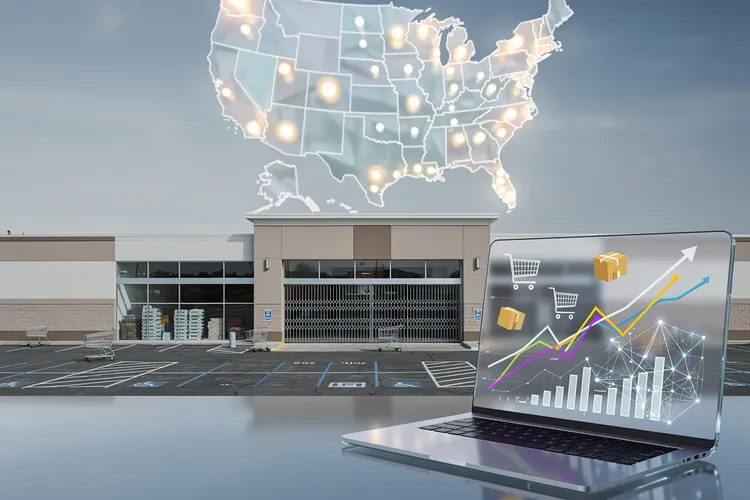
This isn’t merely a glitch or an isolated test; it’s a nationwide strategy. According to the findings, more than three-quarters of the products tested showed price differences, with variations ranging from a few cents to over $2 per item. Instacart’s own website confirms the use of AI for these experiments, framing it as a way to “optimize pricing strategies” in partnership with grocers. Yet, critics argue this amounts to a form of surveillance pricing, where algorithms assess a user’s perceived willingness to pay based on data points like past purchases, browsing history, and even device type.
Unveiling the AI Machinery Behind the Prices
Delving deeper, Instacart’s AI system operates on a foundation of machine learning models that process vast amounts of data in real time. As reported by CBS News , the platform’s algorithms can adjust prices dynamically, sometimes hiking them by as much as 23% without explicit notification to the user. This mirrors tactics seen in other industries, such as ride-sharing with Uber’s surge pricing, but applied to essentials like milk and bread. The study’s authors highlight how this could exacerbate economic inequalities, as lower-income users might end up paying more if the AI infers they have fewer alternatives.
Industry insiders point out that Instacart isn’t alone in this shift. The broader retail sector is increasingly adopting AI for pricing, driven by the need to compete in a post-pandemic market where supply chains are volatile and consumer behaviors are unpredictable. A separate analysis from CNBC notes that federal regulators, including the Federal Trade Commission, have begun scrutinizing such “surveillance pricing” practices. Politicians from both sides of the aisle have voiced concerns, fearing it could lead to discriminatory outcomes where prices are tailored not just to demand, but to individual profiles.
Instacart defends its approach, stating in public communications that these experiments are designed to help retailers offer competitive prices and promotions. However, the lack of transparency is a sticking point. Users aren’t informed when they’re part of a pricing test, and the app’s interface doesn’t flag discrepancies. This opacity has sparked backlash on social media platforms, where shoppers share anecdotes of inconsistent pricing, fueling a growing distrust in digital grocery services.
Regulatory Scrutiny and Consumer Backlash
The implications extend beyond individual transactions. Economists interviewed for a piece in The New York Times suggest that the erosion of a single, uniform price in digital marketplaces could contribute to overall inflation. In traditional retail, a fixed price tag ensures equality; online, algorithms can segment markets finely, potentially driving up costs for those deemed able to afford it. This trend is particularly alarming in groceries, a sector where margins are thin and consumers are sensitive to fluctuations.
Public sentiment, as gleaned from recent posts on X (formerly Twitter), reflects widespread frustration. Users have reported instances where prices change mid-cart or differ based on account history, with some speculating that loyalty programs or app usage patterns influence outcomes. One viral thread described a scenario where the same basket of goods cost 15% more on a premium account versus a new one, echoing the study’s findings. While these accounts aren’t verified, they underscore a broader unease about AI’s role in everyday commerce.
Regulators are taking note. The FTC has launched inquiries into similar practices across industries, and there’s talk of new guidelines to mandate disclosure of algorithmic pricing. In a report from CNN Business , experts warn that without intervention, such systems could normalize price discrimination, making it harder for consumers to comparison shop effectively. Instacart, for its part, has responded by emphasizing that final prices are set by retailers, not the platform itself, though it provides the AI tools enabling these variations.
Technological Underpinnings and Ethical Dilemmas
At the core of Instacart’s strategy is a sophisticated AI ecosystem that integrates with retailers’ inventory systems. As detailed in coverage from Futurism , the company runs ongoing experiments across the U.S., using data from millions of orders to refine its models. These algorithms employ techniques like A/B testing on a massive scale, randomly assigning users to different pricing tiers to gauge elasticity—how much a price hike affects demand.
This raises ethical questions for industry professionals. Is it fair to treat shoppers as unwitting participants in revenue-optimization trials? Proponents argue that dynamic pricing can lead to efficiencies, such as reducing waste by adjusting prices on perishable goods. Detractors, however, see it as a slippery slope toward exploitation, especially in a time when grocery inflation is already straining household budgets. Data from the U.S. Bureau of Labor Statistics shows food prices up 25% since 2020, and AI-driven hikes could compound this burden.
Moreover, the technology’s reliance on personal data amplifies privacy concerns. Instacart collects information on shopping habits, location, and even payment methods to inform its AI. A post on X highlighted fears of “surge pricing” in stores, drawing parallels to Kroger’s experiments with digital tags, though Instacart operates primarily online. This convergence of online and in-store AI pricing strategies suggests a future where every purchase is personalized, potentially at the cost of equity.
Industry Responses and Future Directions
Competitors like Amazon Fresh and Walmart+ are watching closely, with some already implementing similar AI tools. Amazon, for instance, uses predictive analytics to adjust prices in real time, though it faces its own scrutiny. Instacart’s partnerships with major chains give it a unique leverage, allowing it to influence pricing across a wide network. As noted in Los Angeles Times , this “dangerous experiment” could set precedents for how AI is regulated in retail.
Consumer advocates are pushing for change. Groups like the Groundwork Collaborative, co-authors of the study, call for mandatory transparency, such as notifying users of price tests or providing opt-out options. Some suggest that blockchain or decentralized ledgers could ensure verifiable pricing, but that’s far from implementation. In the meantime, shoppers are advised to use multiple accounts or compare apps to spot discrepancies.
Looking ahead, the evolution of AI in pricing will likely involve more sophisticated models, incorporating external data like weather patterns or economic indicators. Yet, as backlash grows, companies may need to balance innovation with trust. Instacart has hinted at upcoming features to enhance transparency, but details remain scarce. For now, the revelations serve as a wake-up call, reminding us that behind the convenience of one-click shopping lies a web of algorithms quietly reshaping how we pay for our daily needs.
Broader Implications for Retail Innovation
The Instacart case exemplifies a pivotal shift in retail dynamics, where AI isn’t just a tool but a core driver of strategy. Experts predict that by 2030, most major retailers will employ similar systems, potentially transforming fixed pricing into a relic of the past. This could benefit businesses by optimizing stock and reducing losses, but it demands safeguards to prevent abuse.
From an insider perspective, the challenge lies in data ethics. How much personalization is too much? Instacart’s experiments highlight the tension between profit maximization and consumer rights. As one retail analyst put it, “AI pricing is like a black box—powerful, but if not handled carefully, it can alienate the very customers it aims to serve.”
Ultimately, the ongoing debate will shape policy and practice. With investigations mounting and public awareness rising, Instacart and its peers must navigate this terrain thoughtfully. The algorithmic grocery cart may offer efficiency, but without transparency, it risks turning convenience into controversy, forever altering the trust between shoppers and the platforms they rely on.






Leave a Reply
Your email address will not be published.